Pokhara, Nepal – November 22nd, 2026
I booked a half-day guided trip around Pokhara this morning with Limestone Treks through Get your Guide. I had the company of the knowledgeable guide Bidur Paudel, who also has experience of base camp treks to Annapurna.
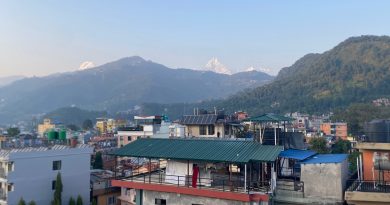
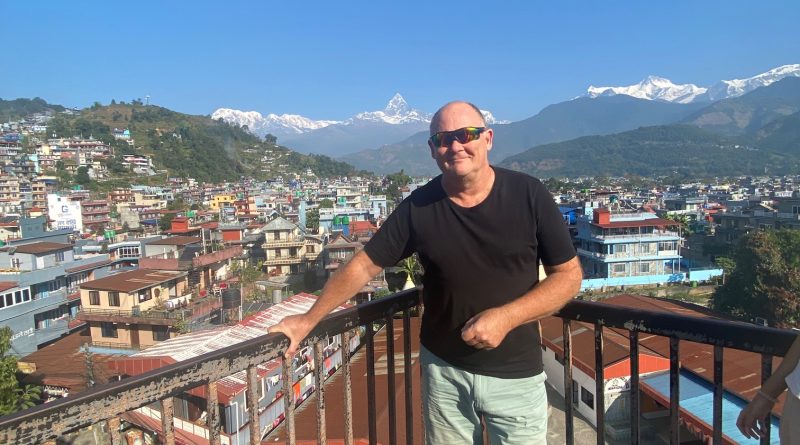
Crystal clear skies again this morning and spectacular views of the Annapurna area and as far east as Himalchuli (7,893 metres) and the world’s eighth-highest mountains Manaslu (8,163 metres) in the Gorkhas District.
The first port of call was the bustling Bindhyabasini Temple, one of the oldest and most prominent in Pokhara. Established around 1760, it is dedicated to Goddess Bindhyabasini and is an important religious site. It also hosts shrines dedicated to Ganesha, Hanuman, Saraswati and Shiva.
Sundays at the Temple are busy, with soon-to-be-weds attending pre-marriage rituals and members of the sizeable Hindu community visiting their local shrine. Hindus make up 82% of Pokhara’s population. The nearest Indian border crossing to Sunauli in Uttar Pradesh is only 185km away.
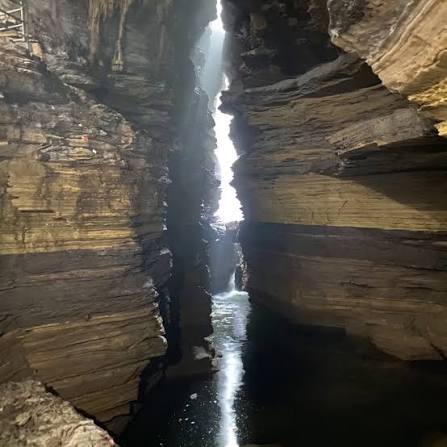
Surprisingly, there are several deep cave areas within the confines of city limits. Mahendra is a large limestone example and contains both stalagmites and stalactites. The entrance is 200 (£1) NPR. There is a statue of Shiva within as well as other Hindu deities. About 1,100 metres above sea level, it was discovered by shepherds in the 1950s.
The soaked limestones are slippery, lighting is limited and you need to be on your guard to prevent a nasty ankle injury.
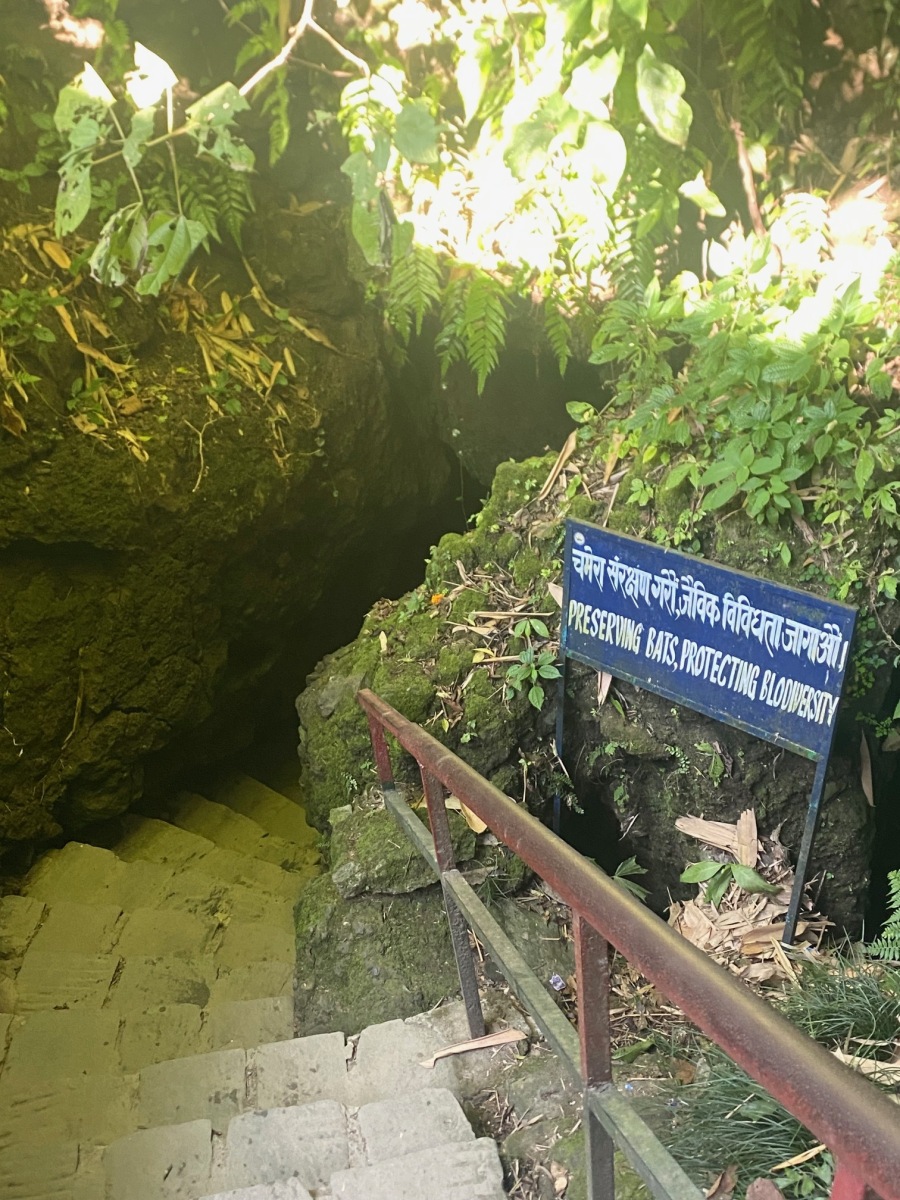
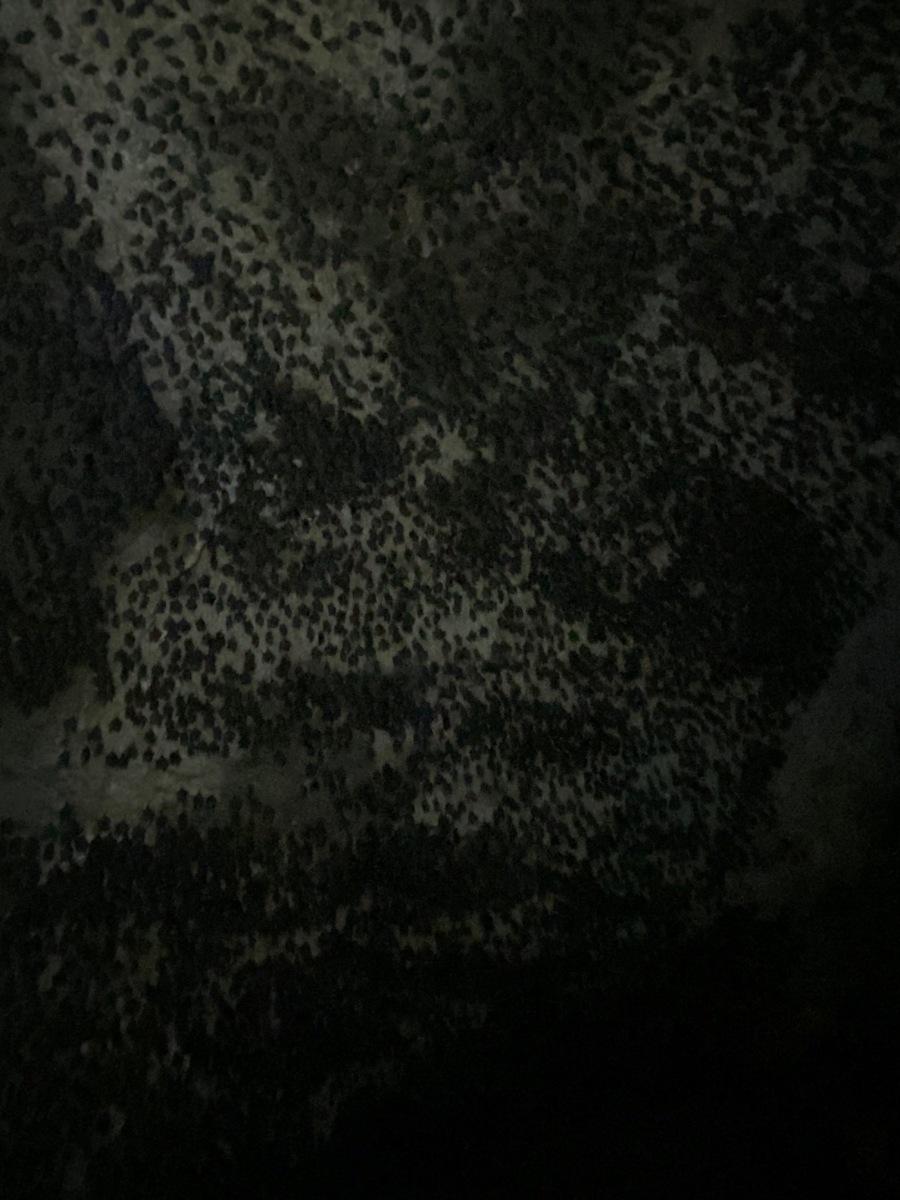
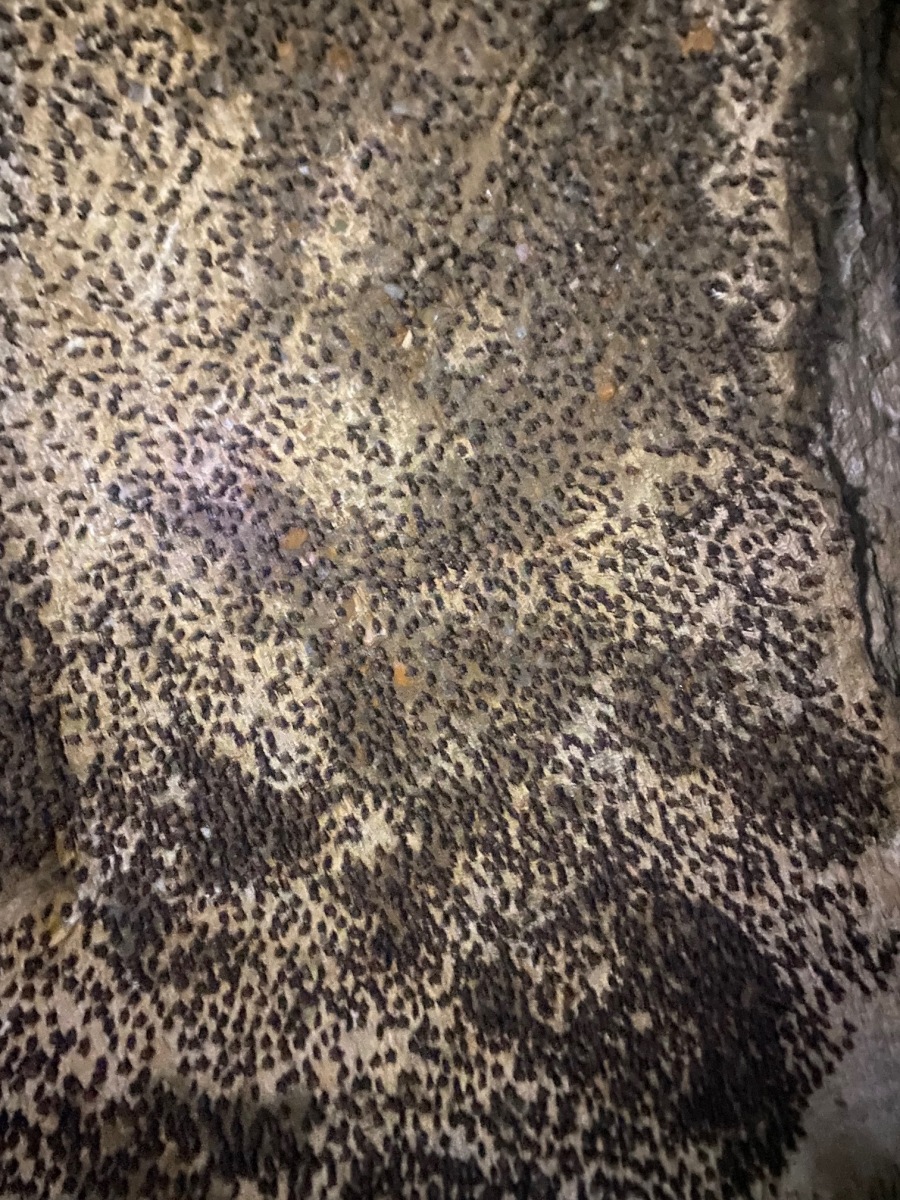
A mere 500 metres away is the Bat Cave (Chamero Gufa) – entrance is also 200 (£1) NPR. This is not for the faint-hearted and not recommended for anyone suffering from claustrophobia. There is no lighting to conserve sleep patterns for the thousands of resident Horseshoe bats and the 150-metre descent into the abyss is steep and unrelenting.
For taller people it is even more difficult with low-flung rock ceilings and narrow passages between rocks and the slippery cave floor. The main roosting area is sizeable but even the guide advised returning via the entrance rather than through a narrow chimney-type gulley to exit via a climb through a terrifyingly small hole.
The indigenous belief is that only those who have not sinned should pass the exit hole….Without the minimal light off a mobile ‘phone, this would be an impossible visit.
We had a quick stop-off at the impressive Damsadi suspension bridge, which extends for 276 metres and is secured 90 metres above the gorge and river below.
It connects the village of Damsadi to the Pokhara Valley. Several eagles were present soaring above the river valley below. It offers panoramic views of the rugged Kali Gandaki River valley.
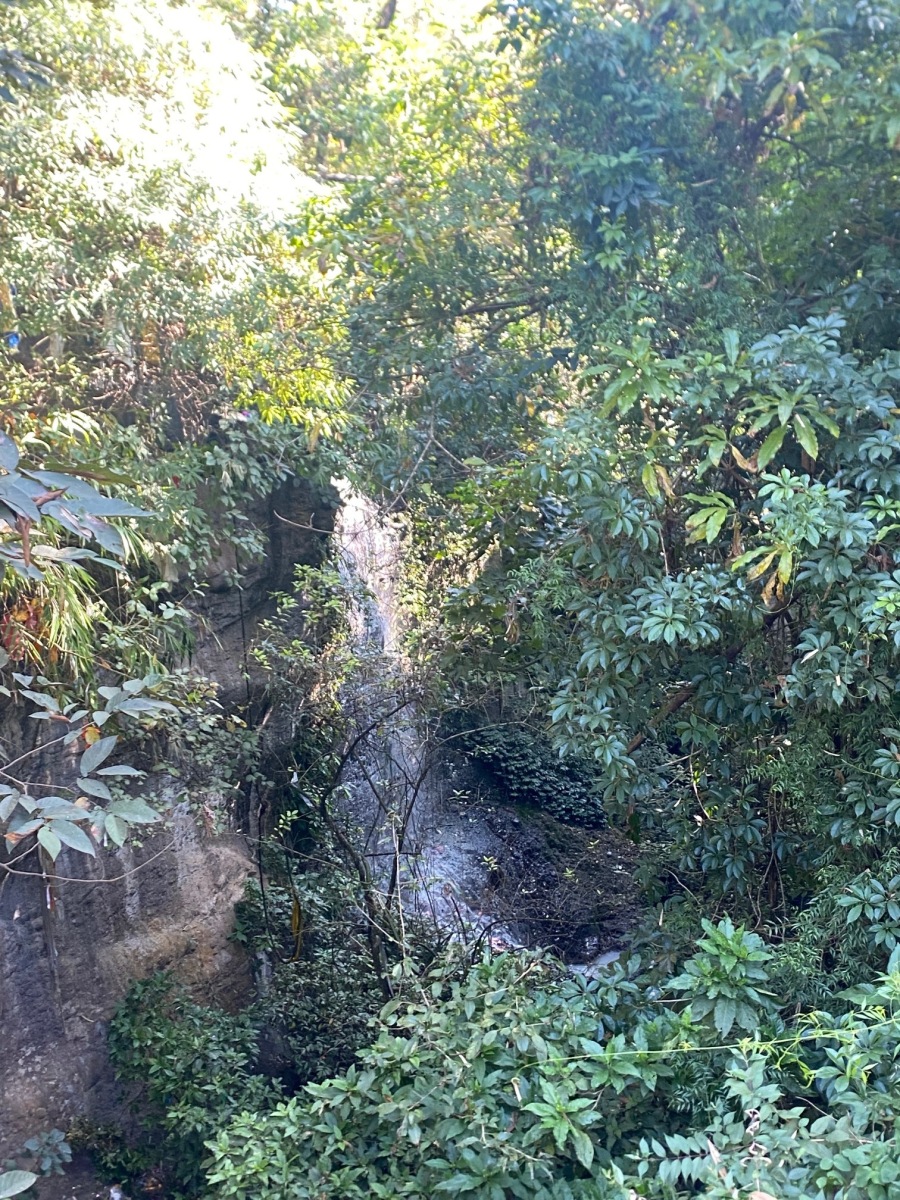
There was time for a quick stop at the Seti River Gorge to see white water from the Annapurna glacier being diverted towards a hydro-power station and the Seti flowing menacingly a long way below in a narrow gorge. Visually, it looks about two metres wide but the raging waters are up to 20 metres deep!
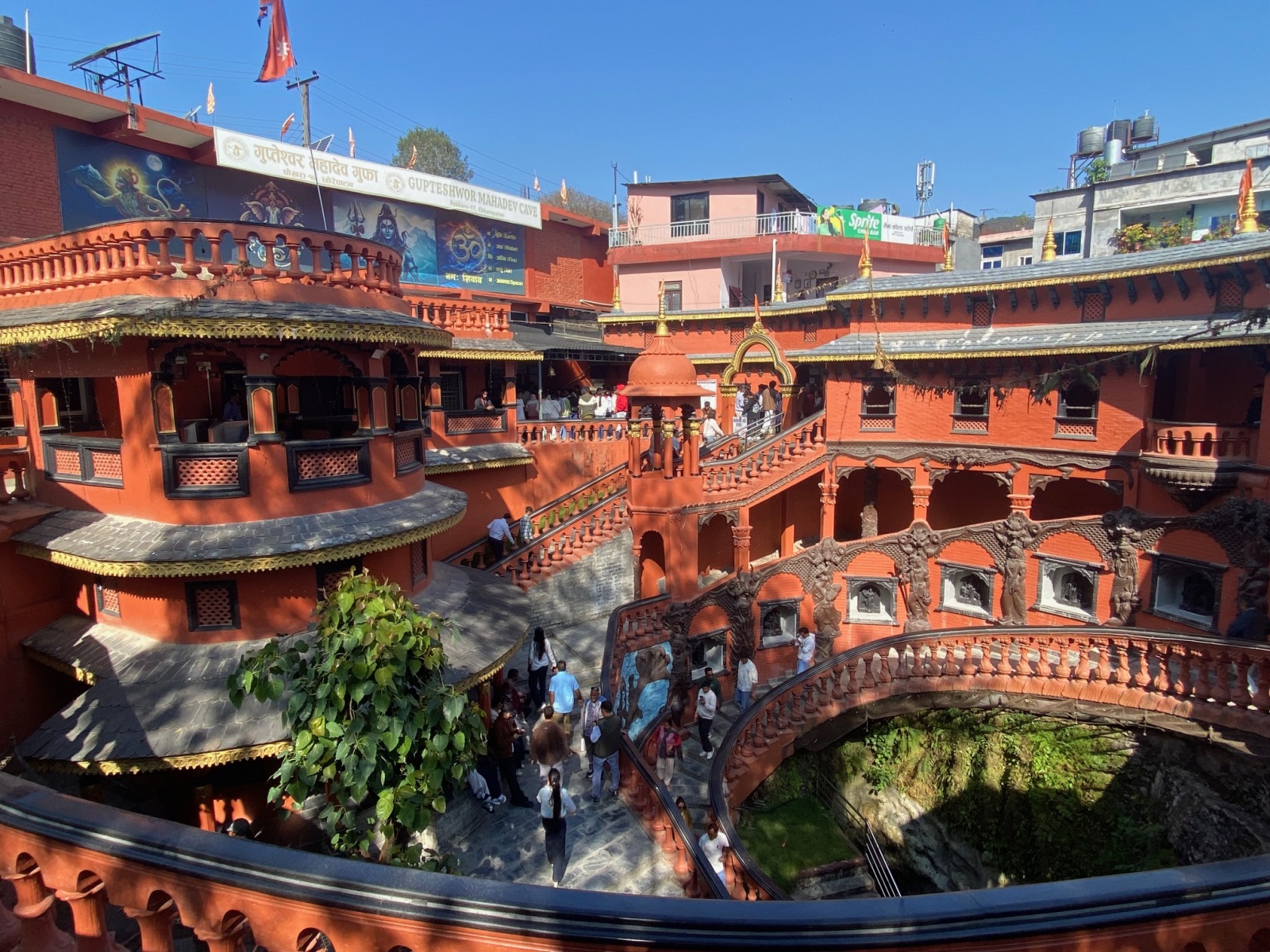
The penultimate stop on the whistle-stop morning tour was at the crowded entrance to the Gupteshwor Mahadev Cave that is located opposite the Davis Fall. It is accessed by an impressive spiral stair case that extends into the abyss. The cave hosts a shrine to Shiva and an underground waterfall. Davis Fall is currently not accessible.
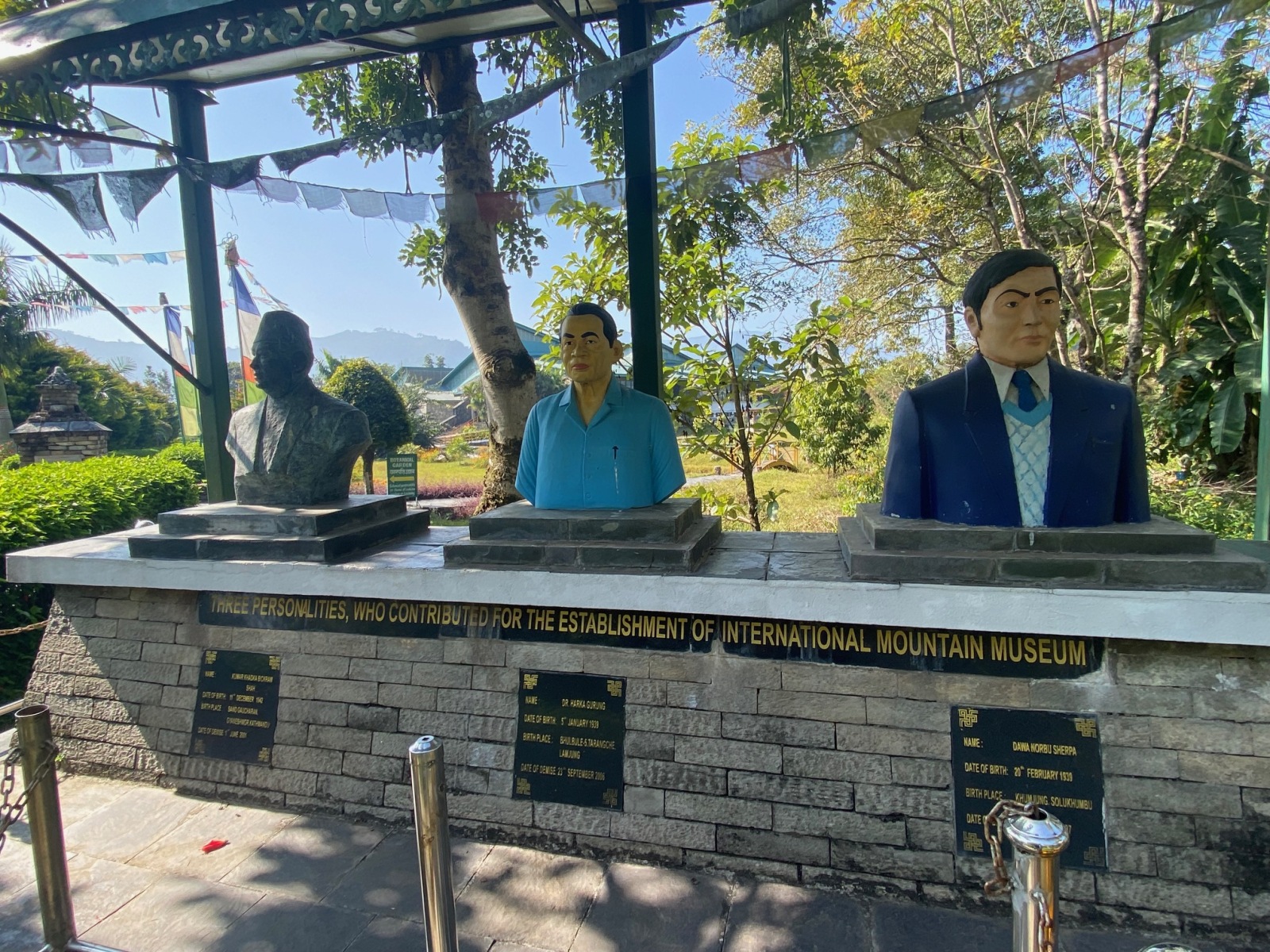
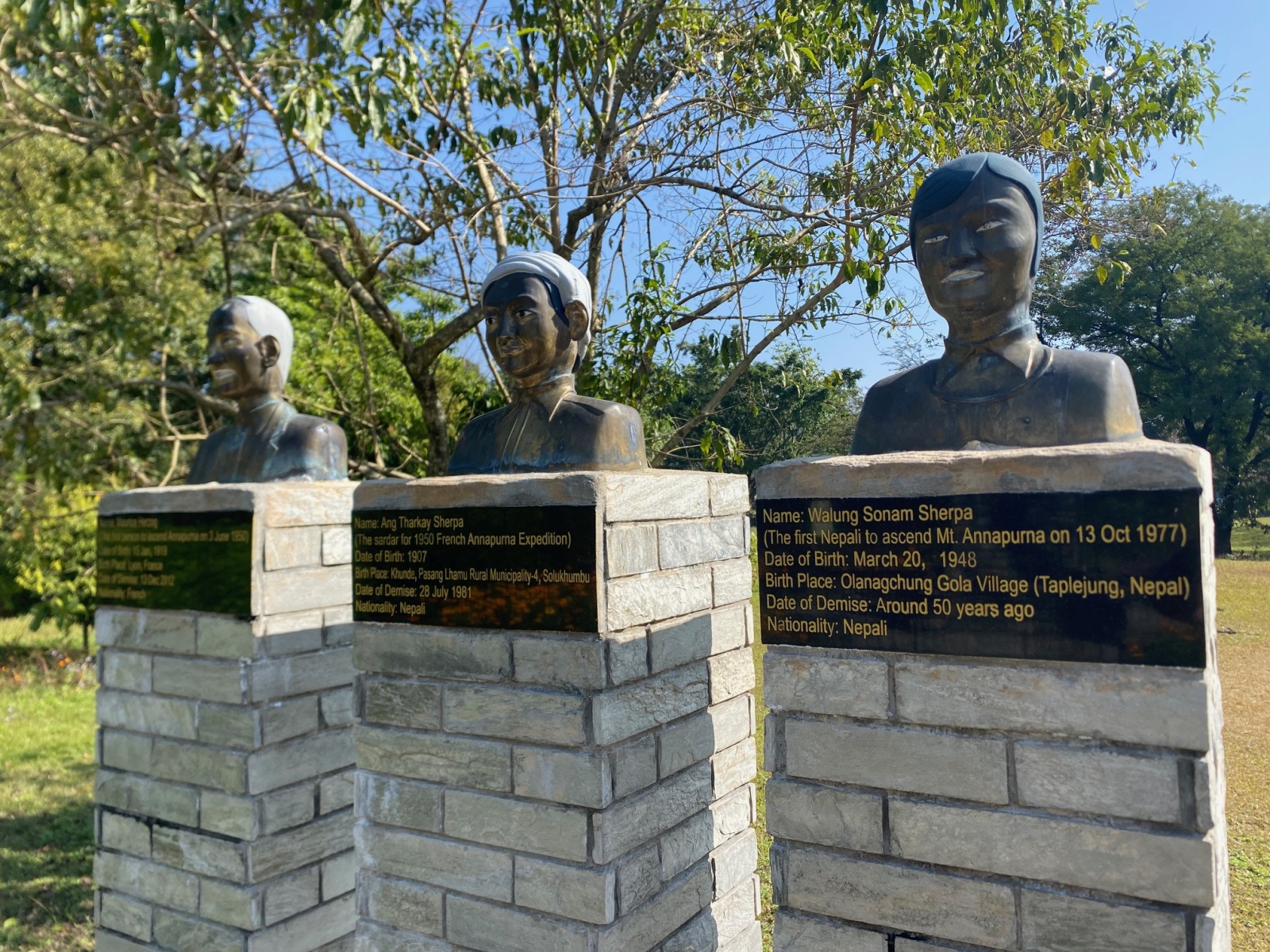
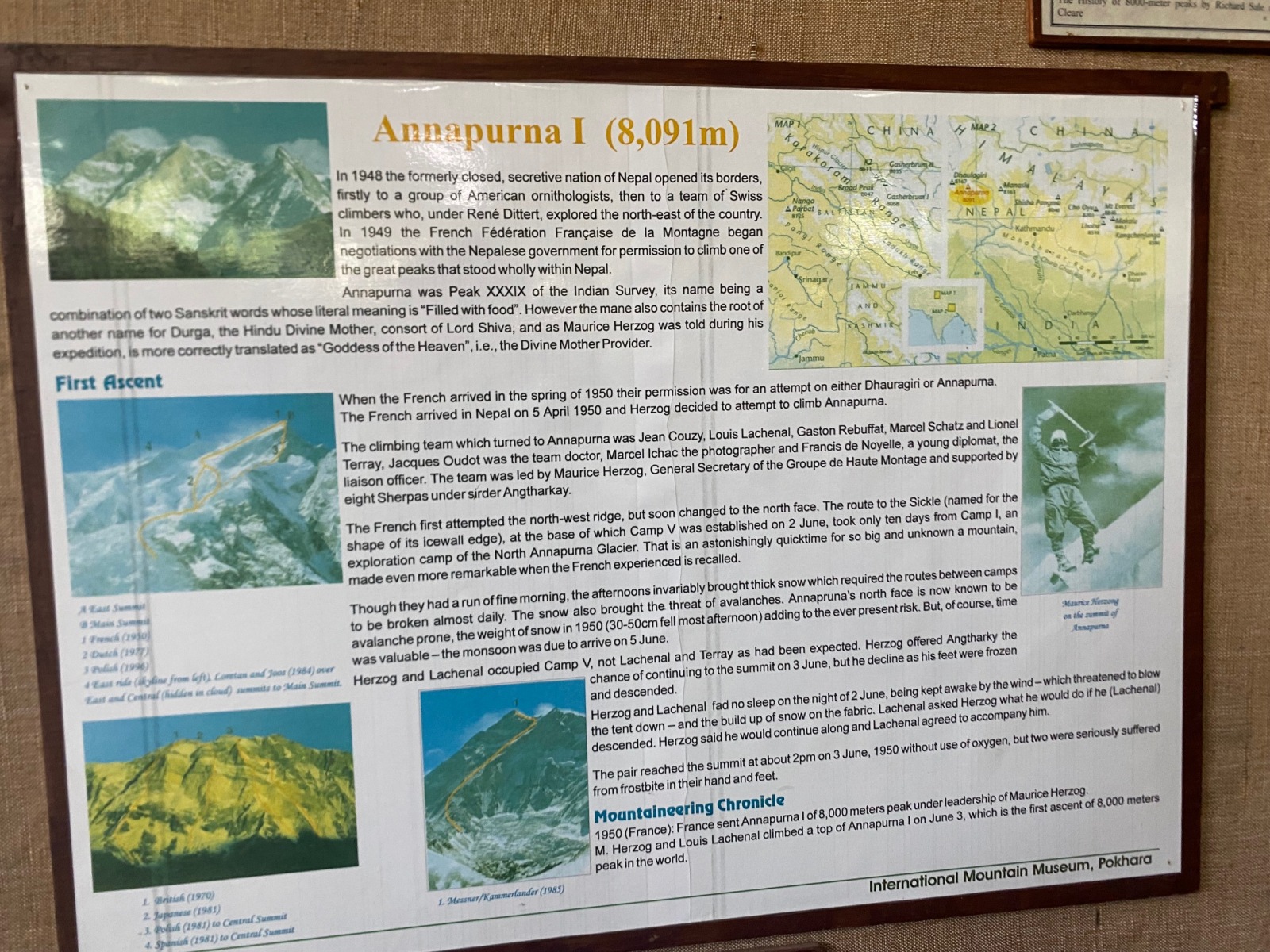
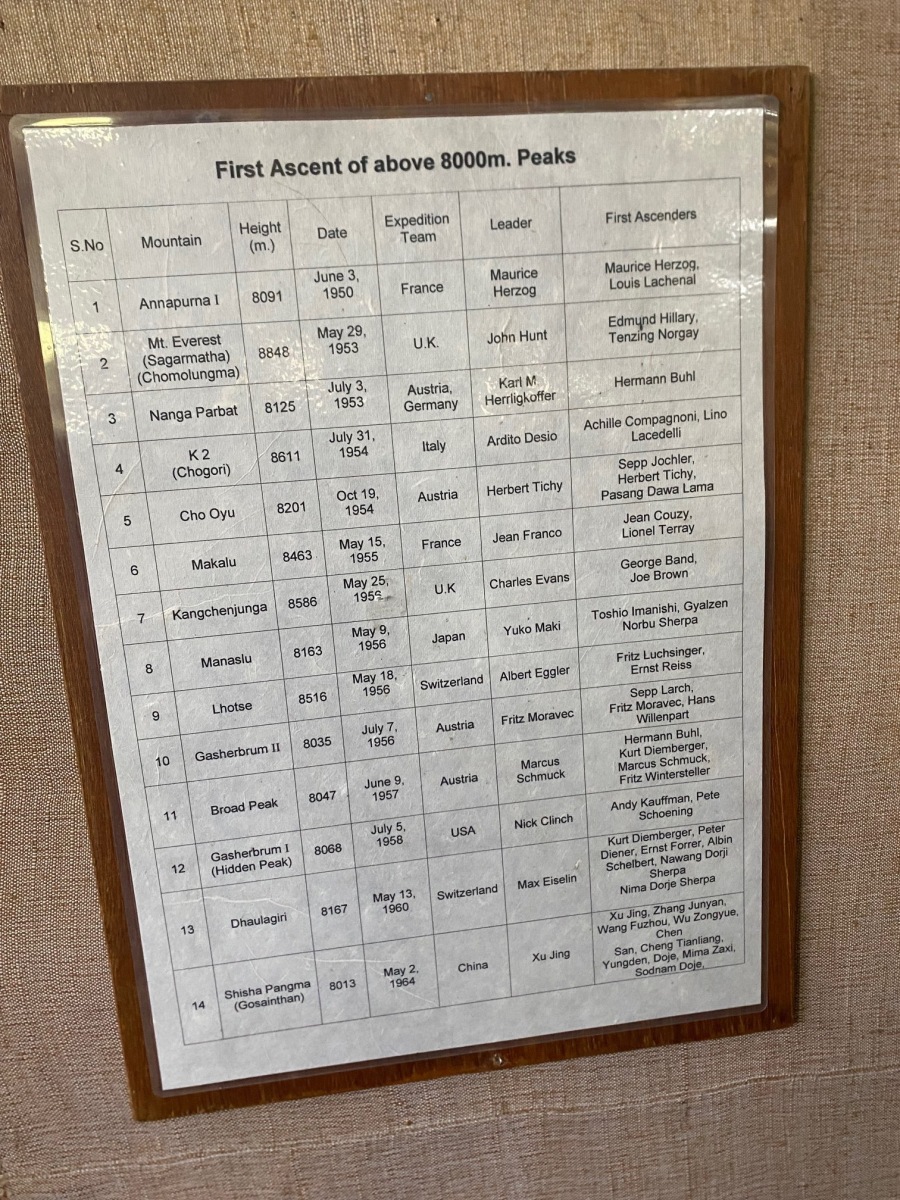
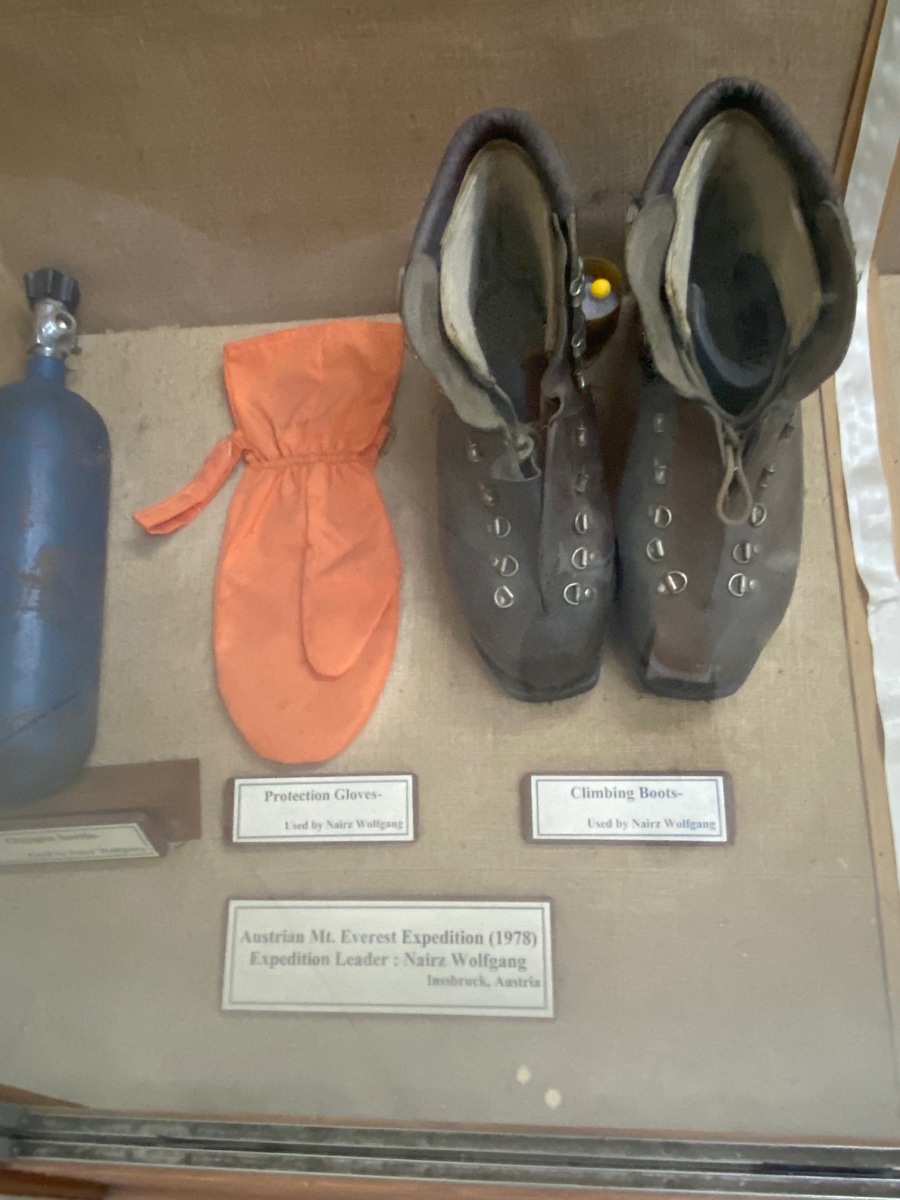
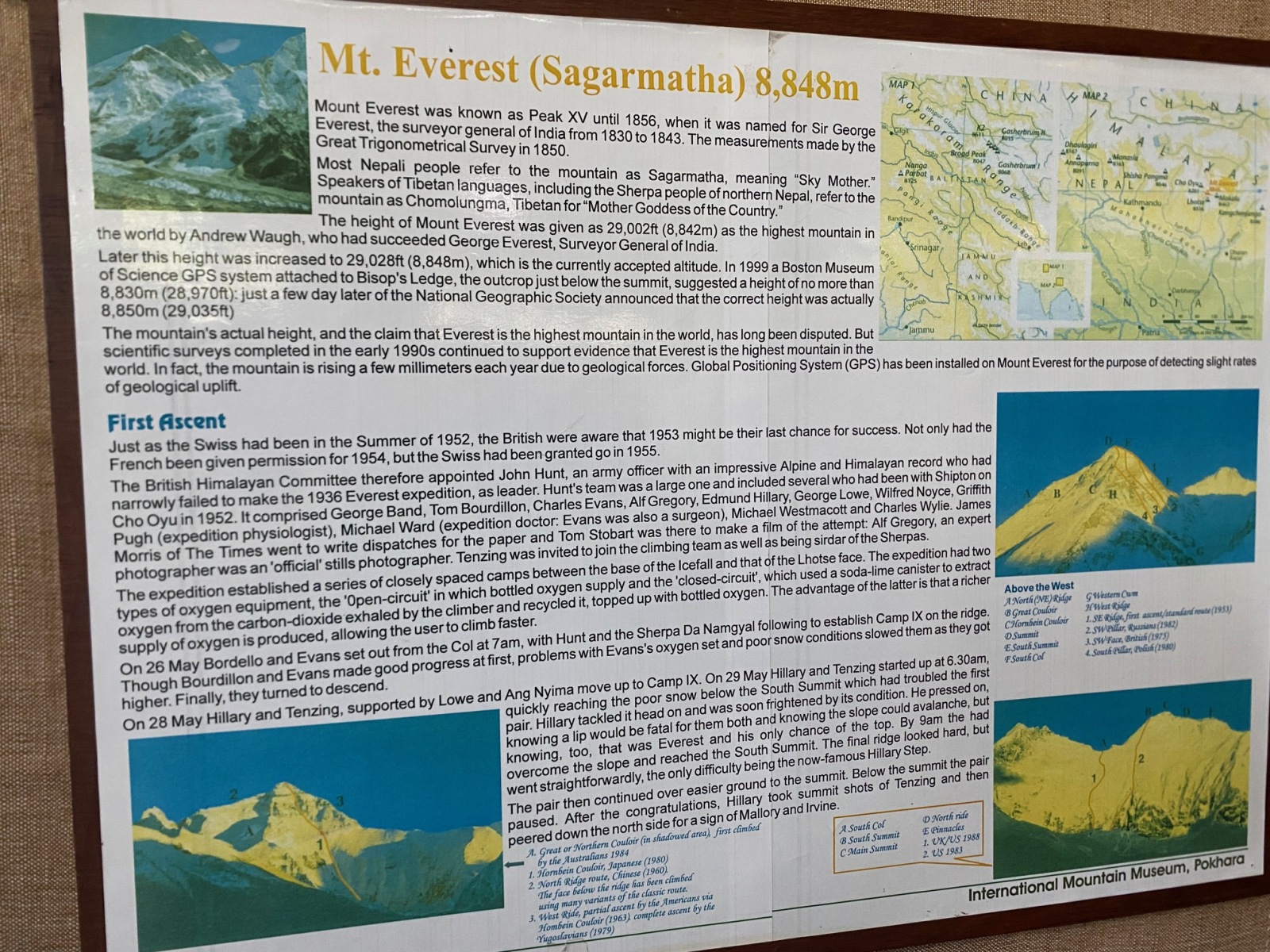
The final stop was at the International Mountain Museum, a shrine to the mighty Himalayas, housed in an impressive modern building that was inaugurated in 2004. The entrance fee is 750 (£3.80) NPR.
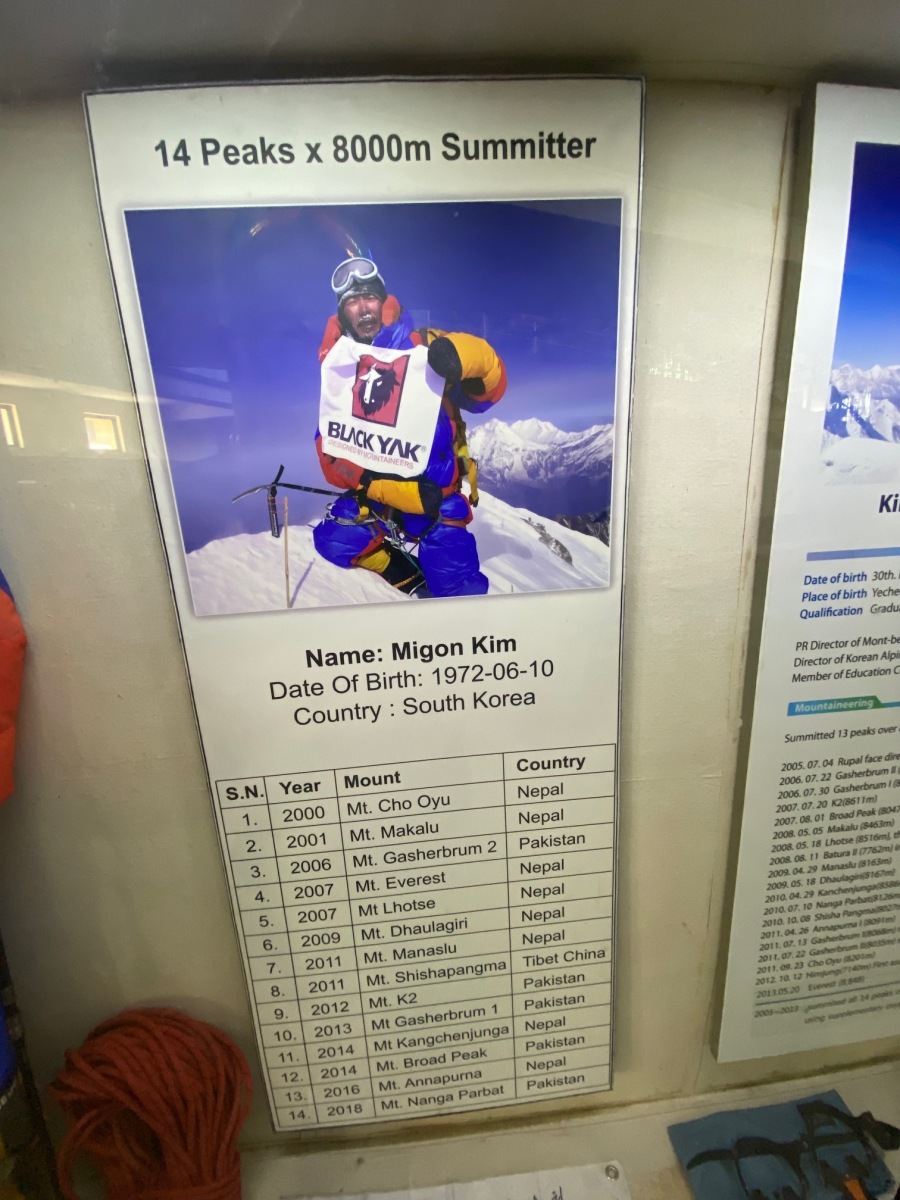
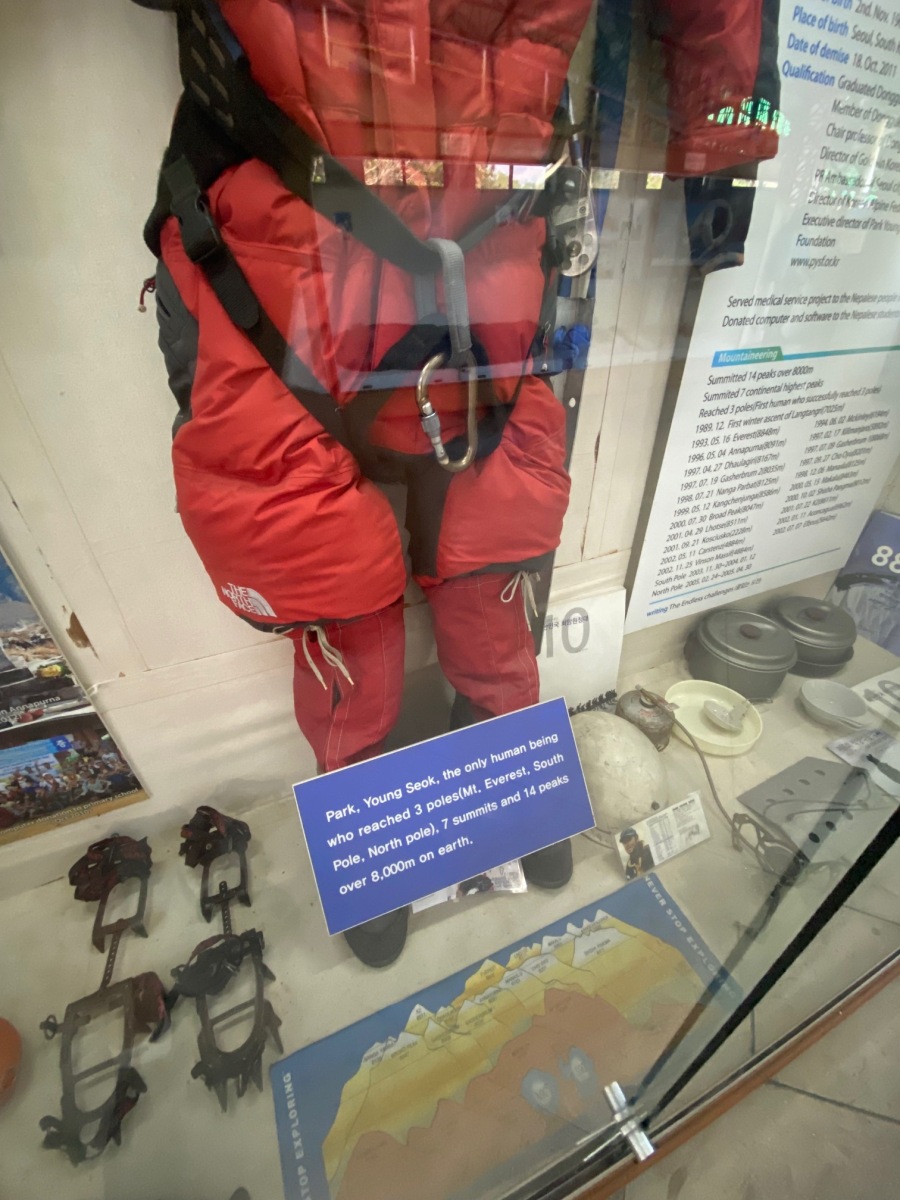
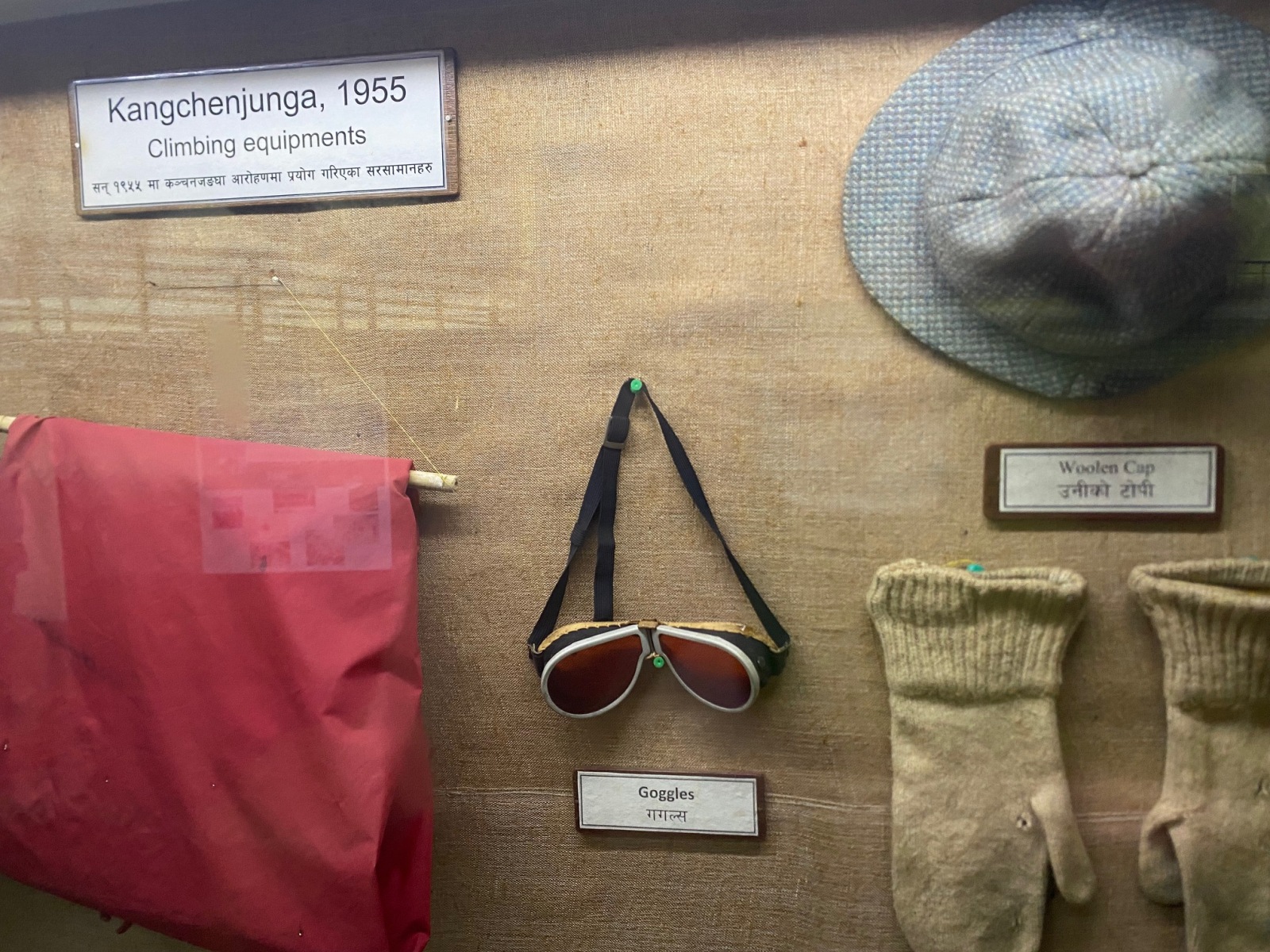
It contains three exhibition halls: Hall of Great Himalayas, Hall of Fame and Hall of World Mountains. There are exhibits on famous peaks, descriptions of famous mountaineers and the culture and lifestyle of mountain people.
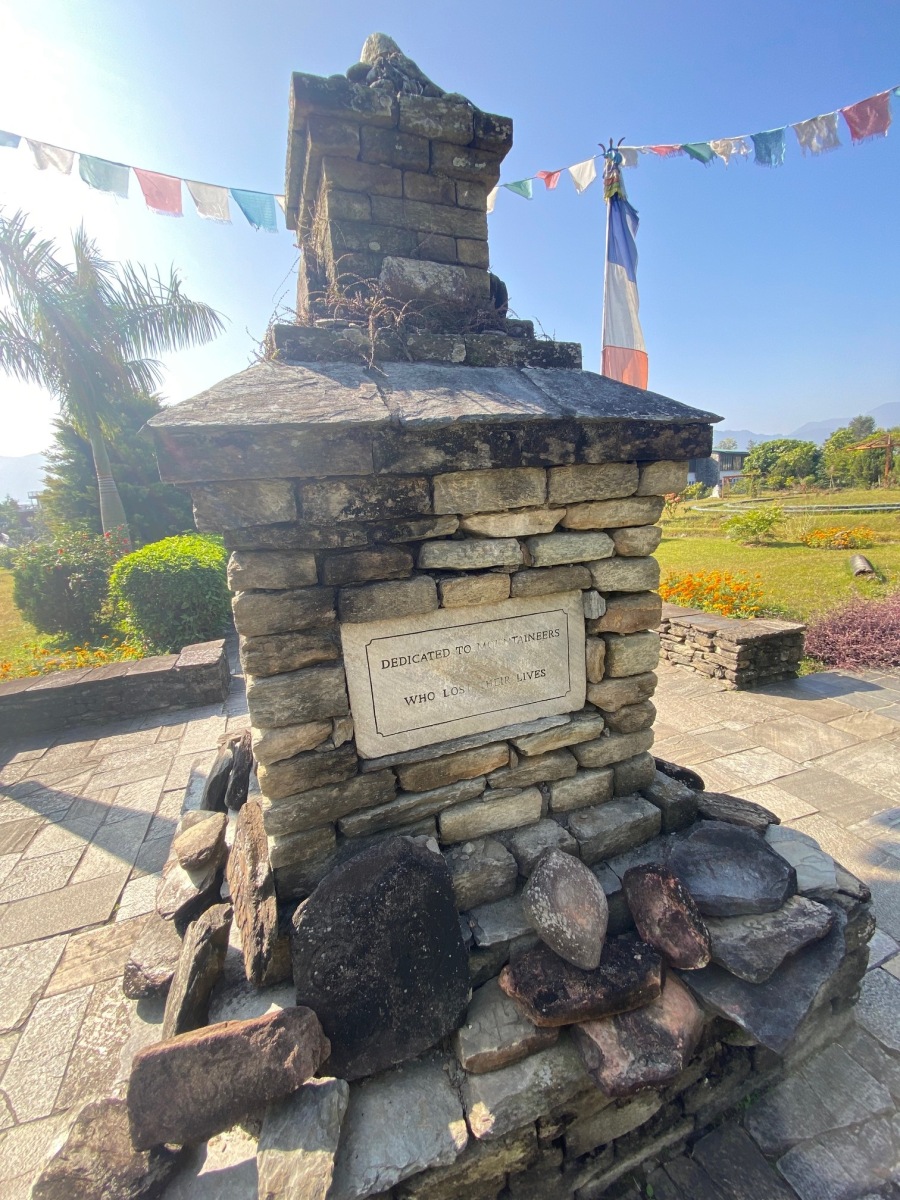
There is also a monument erected in memory of those brave souls who lost their lives trying to fulfil high-altitude dreams.
Limestone Treks https://share.google/Jhax3O0RTamo17xo8