Kathmandu, Nepal – November 19th, 2026
Caught in a bit of a stupa this morning – three or four times actually.
It was a good decision to book a driver for the morning rather than haggle with taxis and rickshaw drivers for individual journeys.
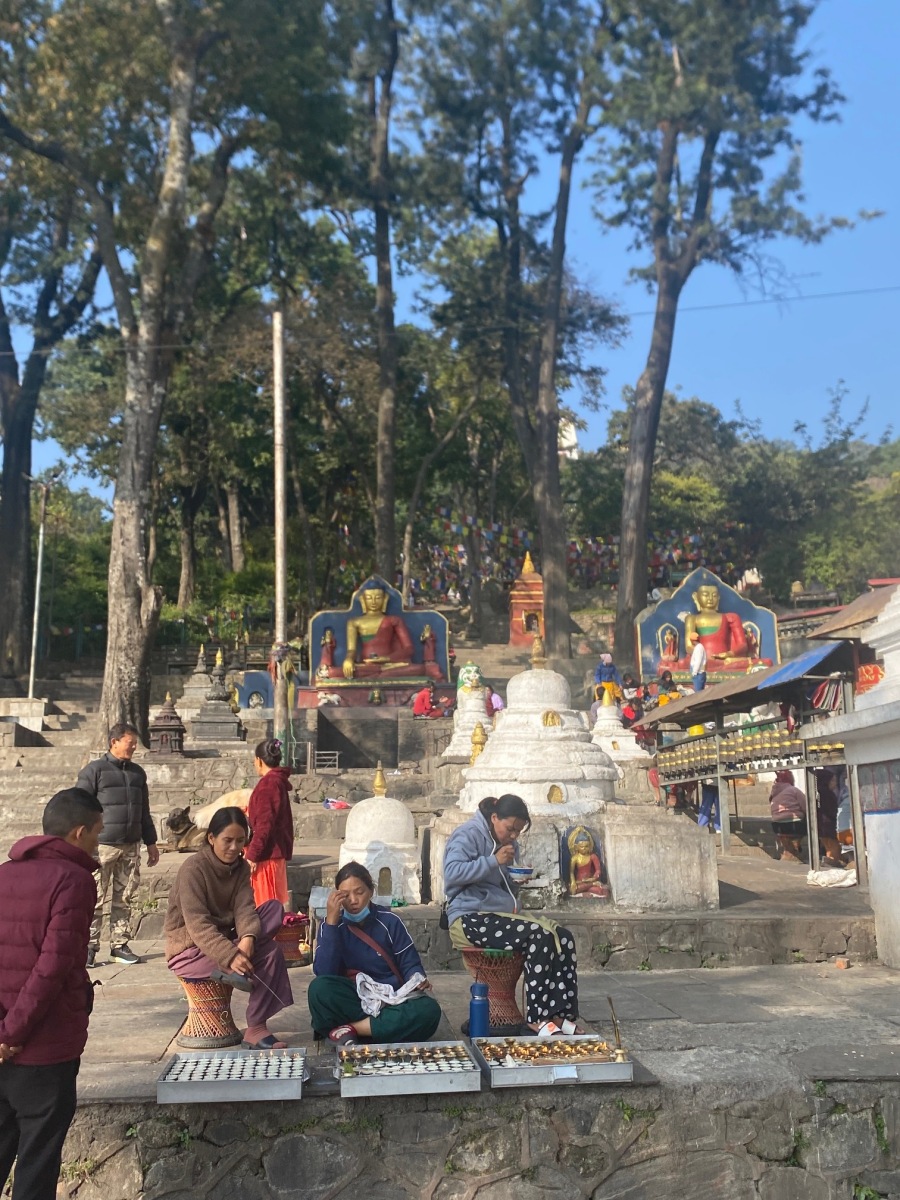
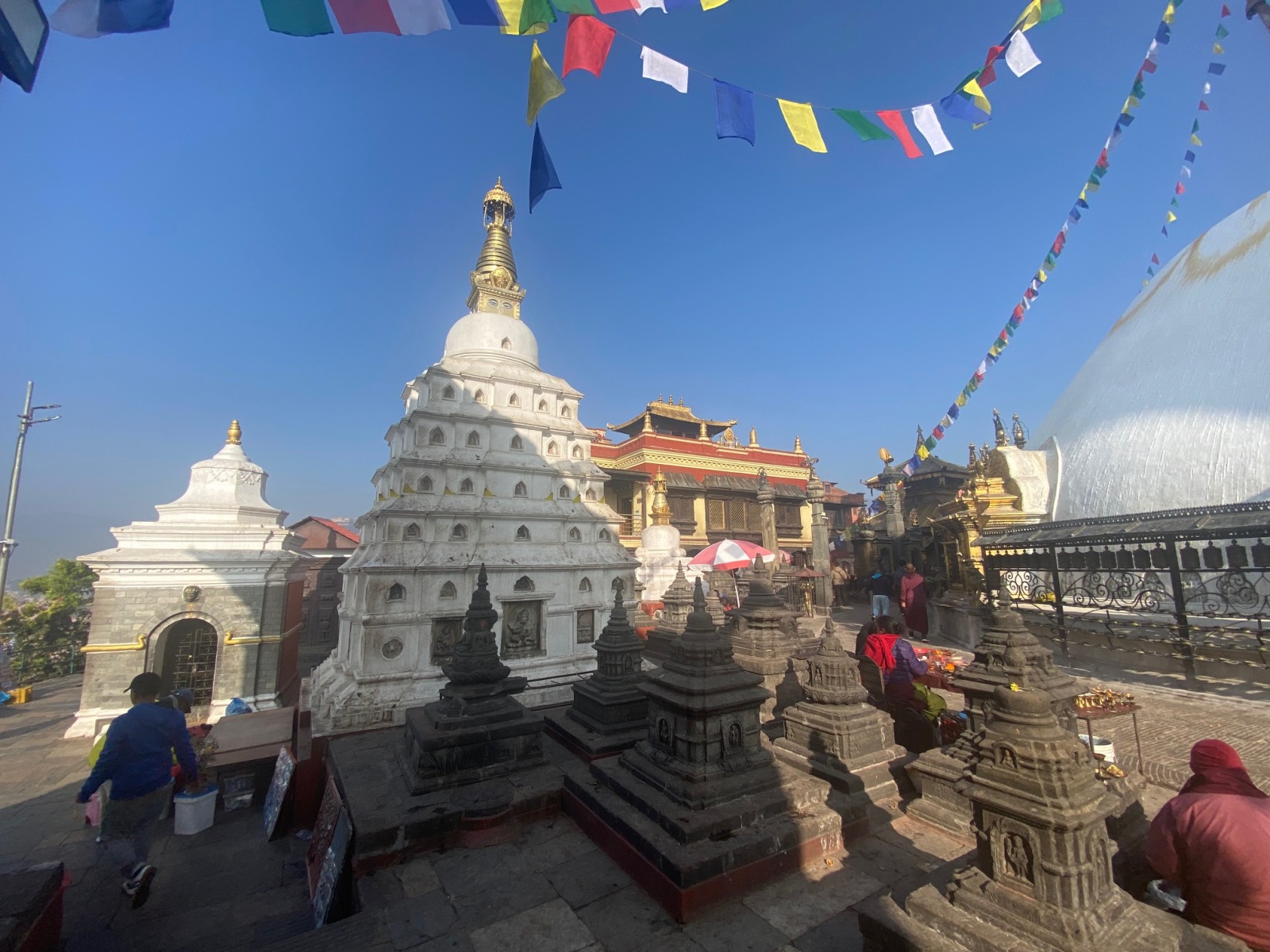
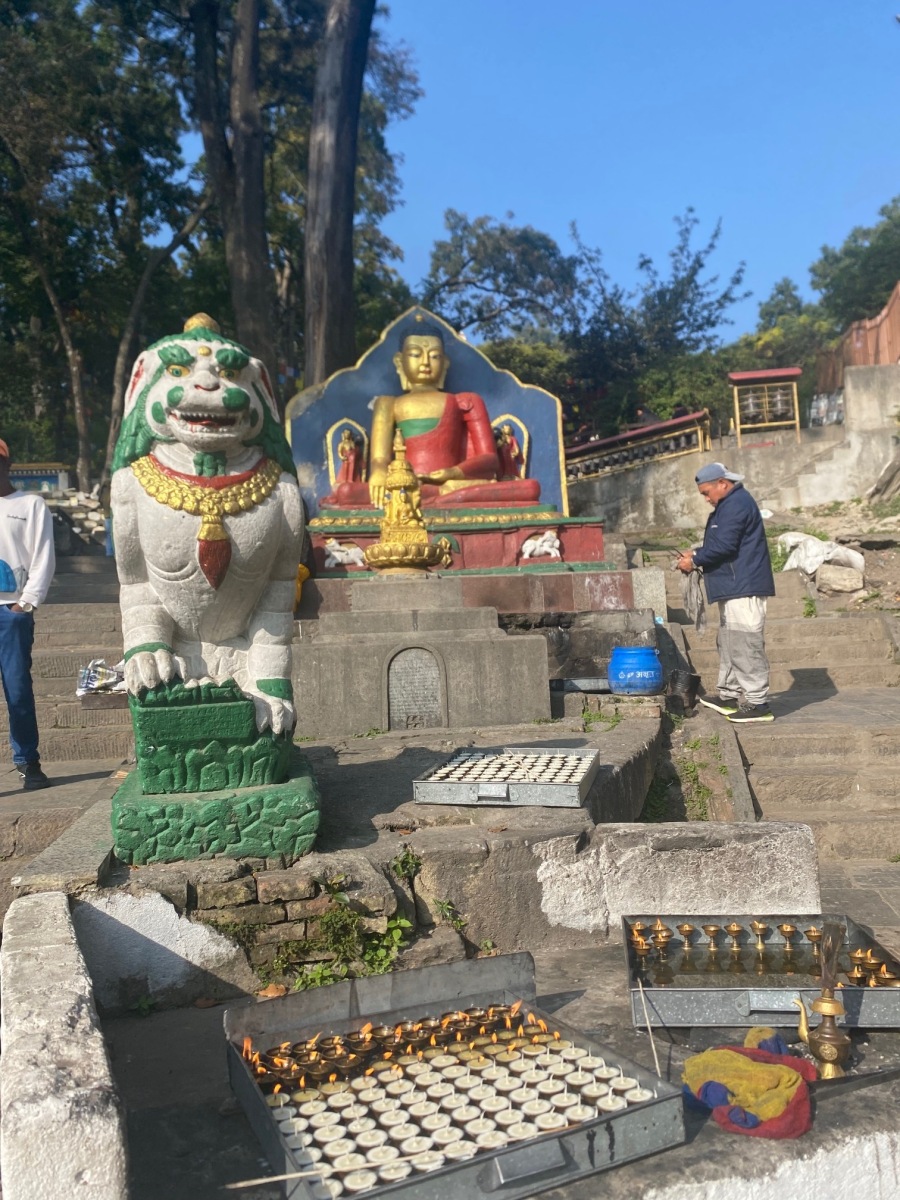
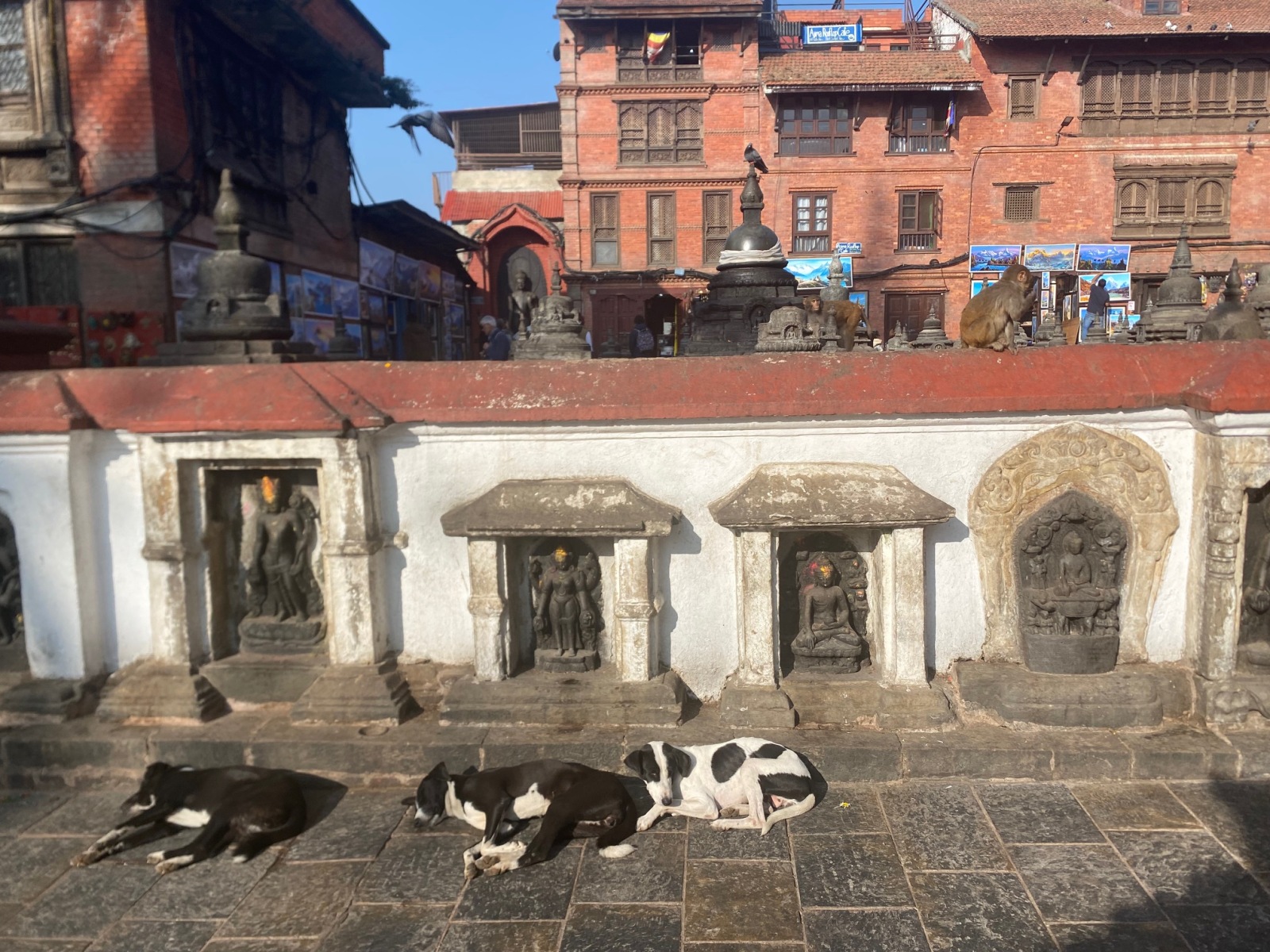
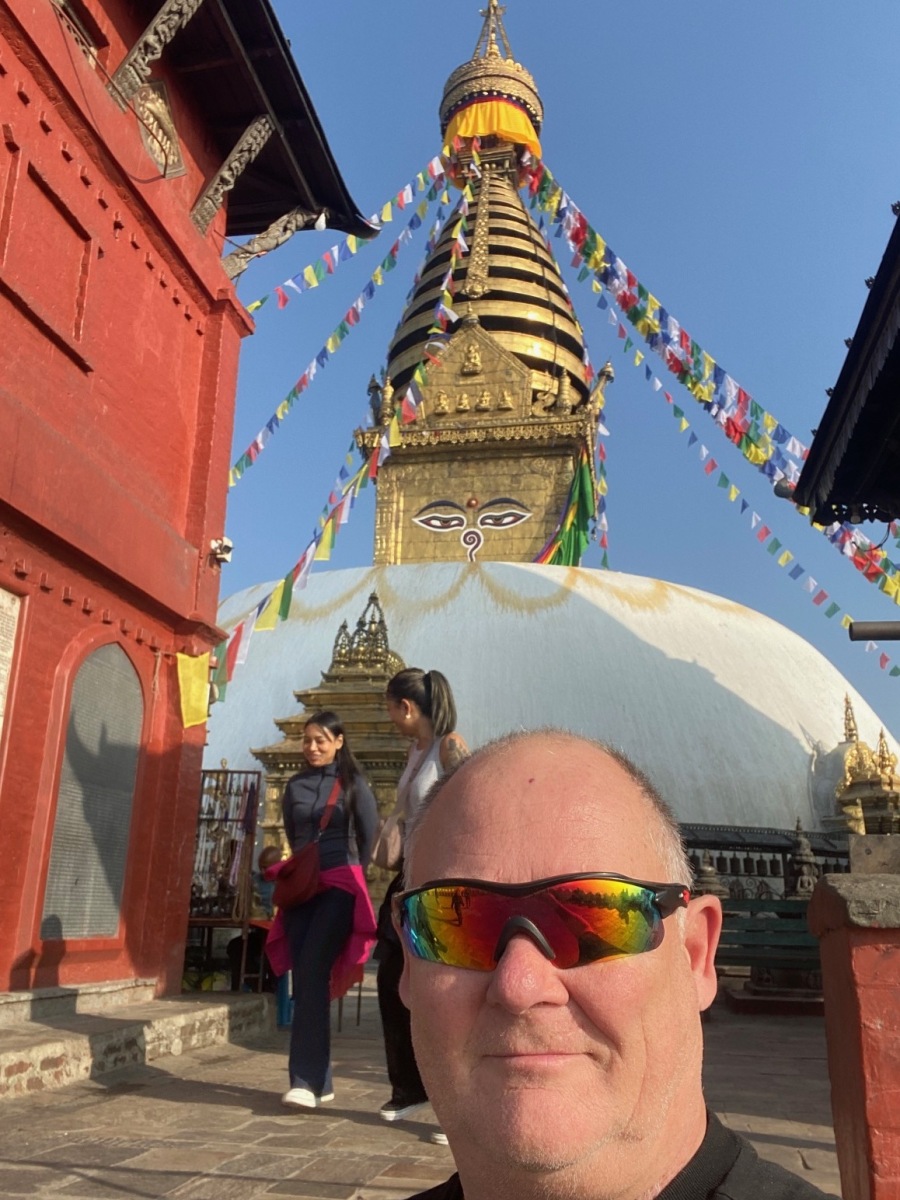
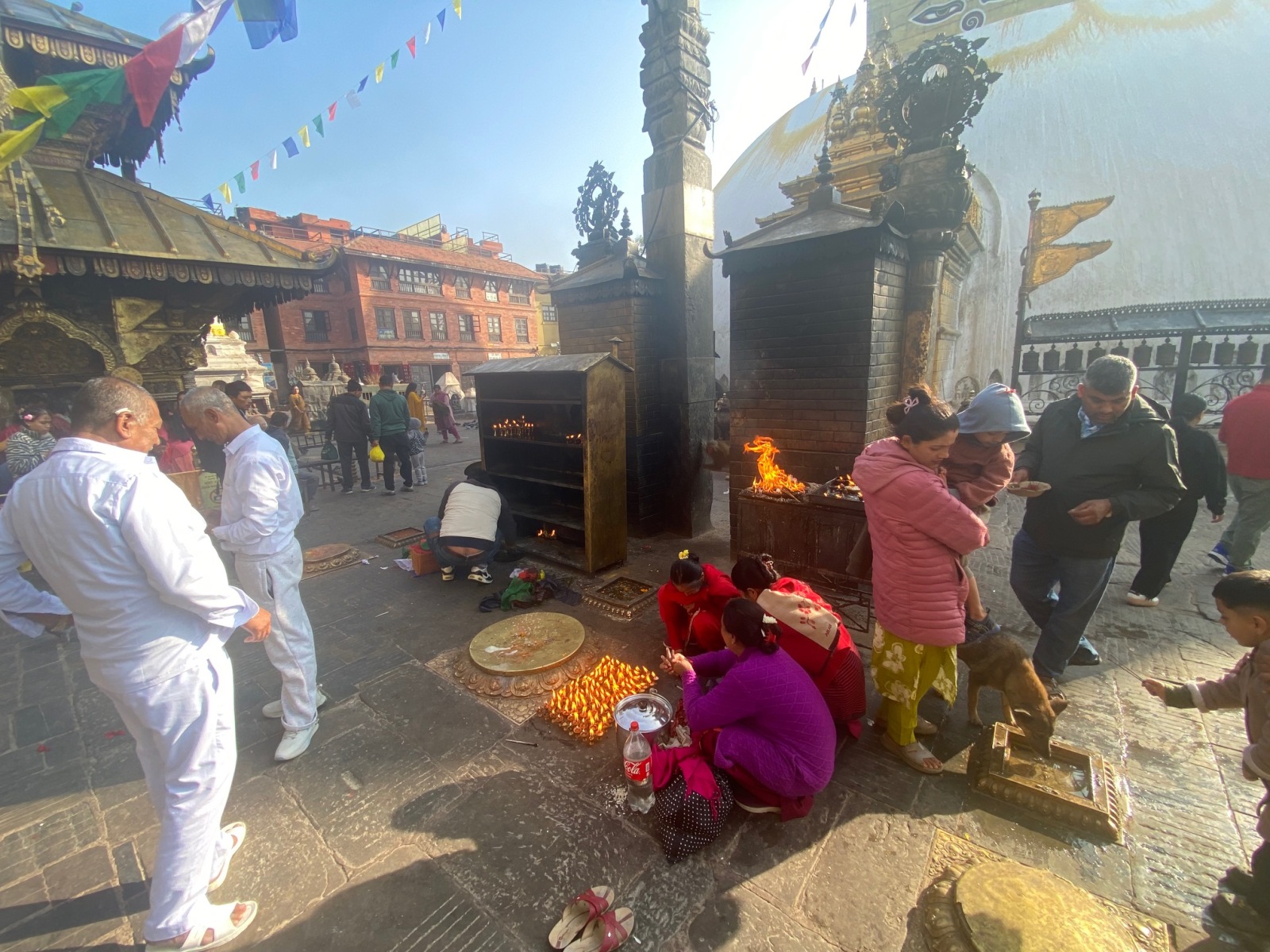
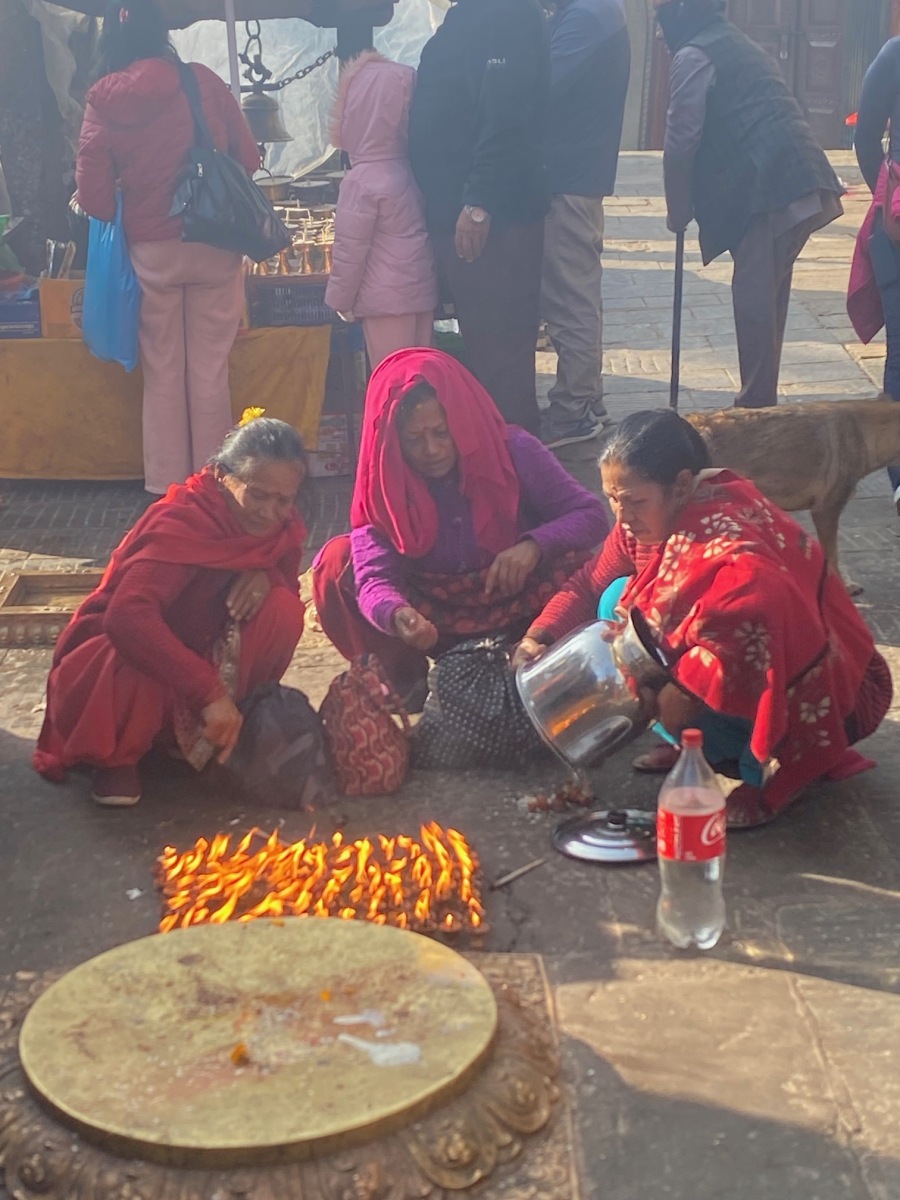
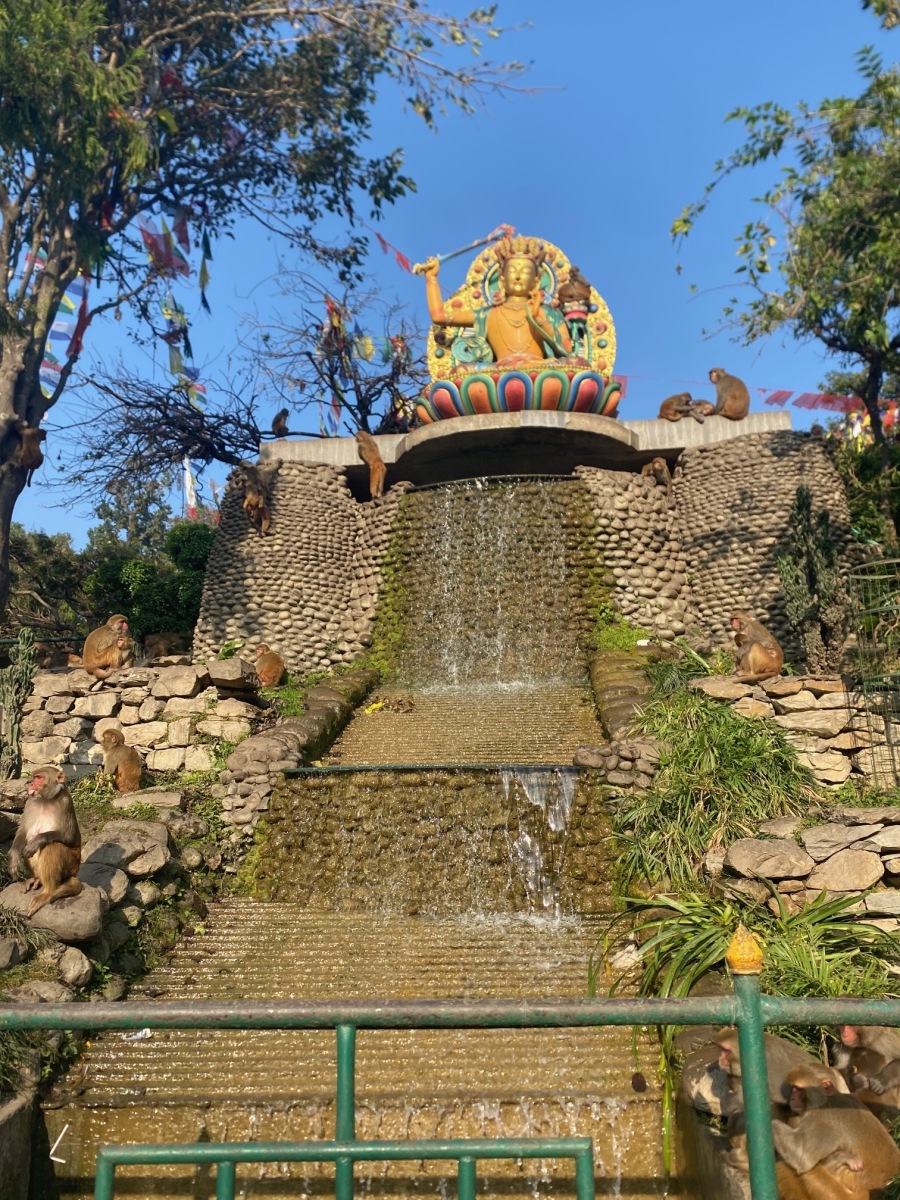
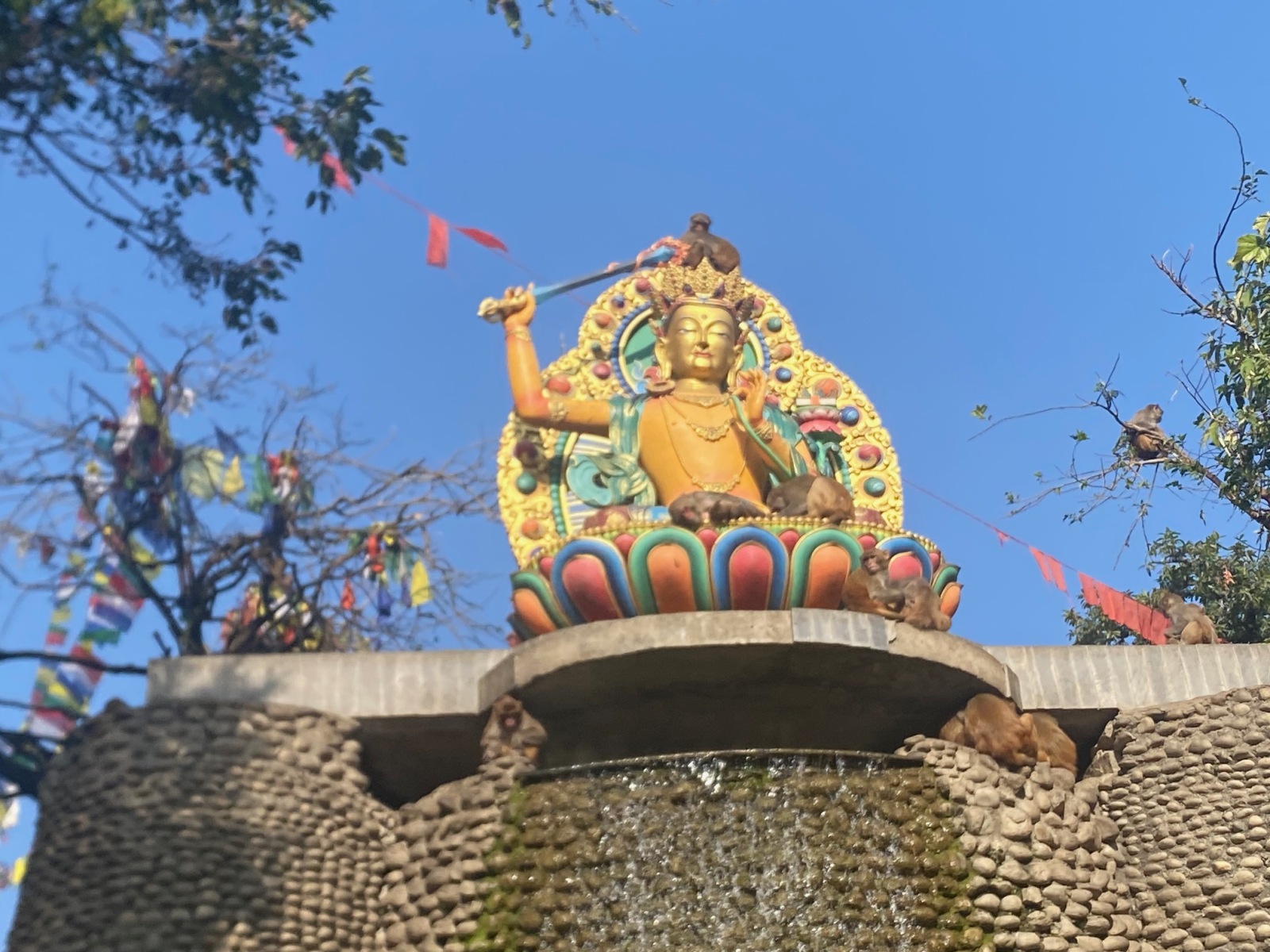
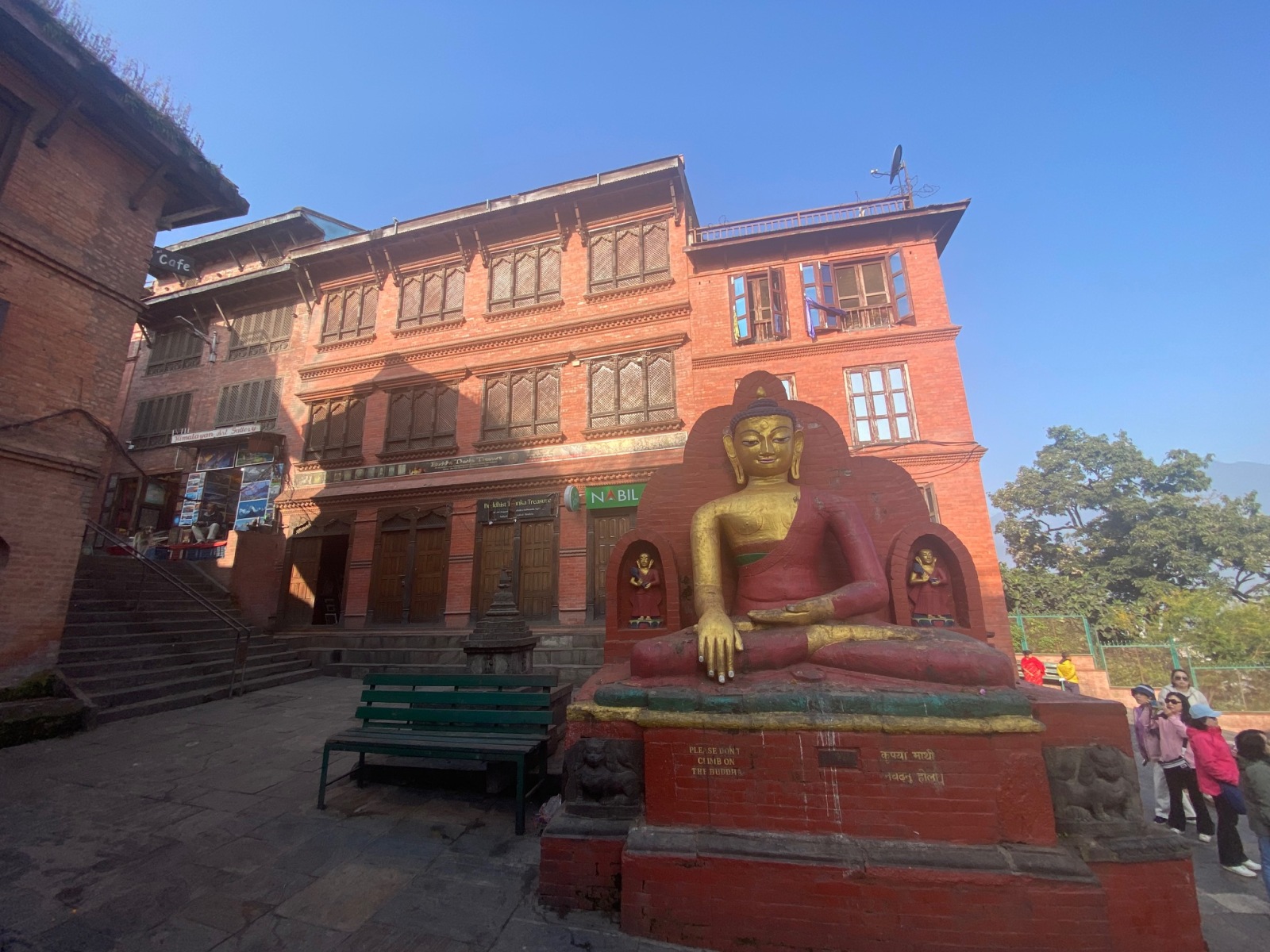
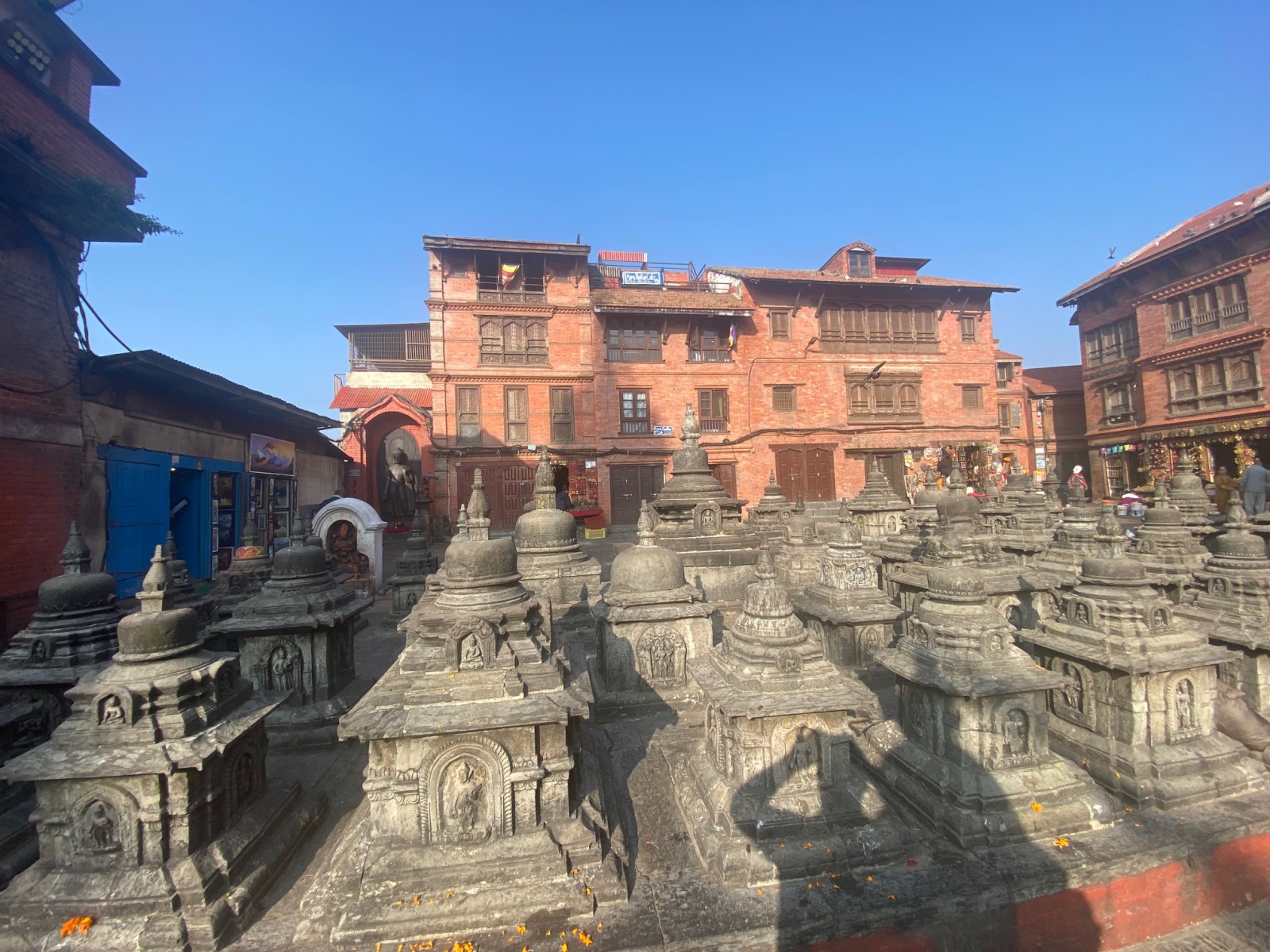
The first port of call was the Suwaybhanath Temple to the northwest of the Thamel district in the Kathmandu Valley. I arrived just before opening time to miss the rush and didn’t even have to pay the 200 NPR entry.
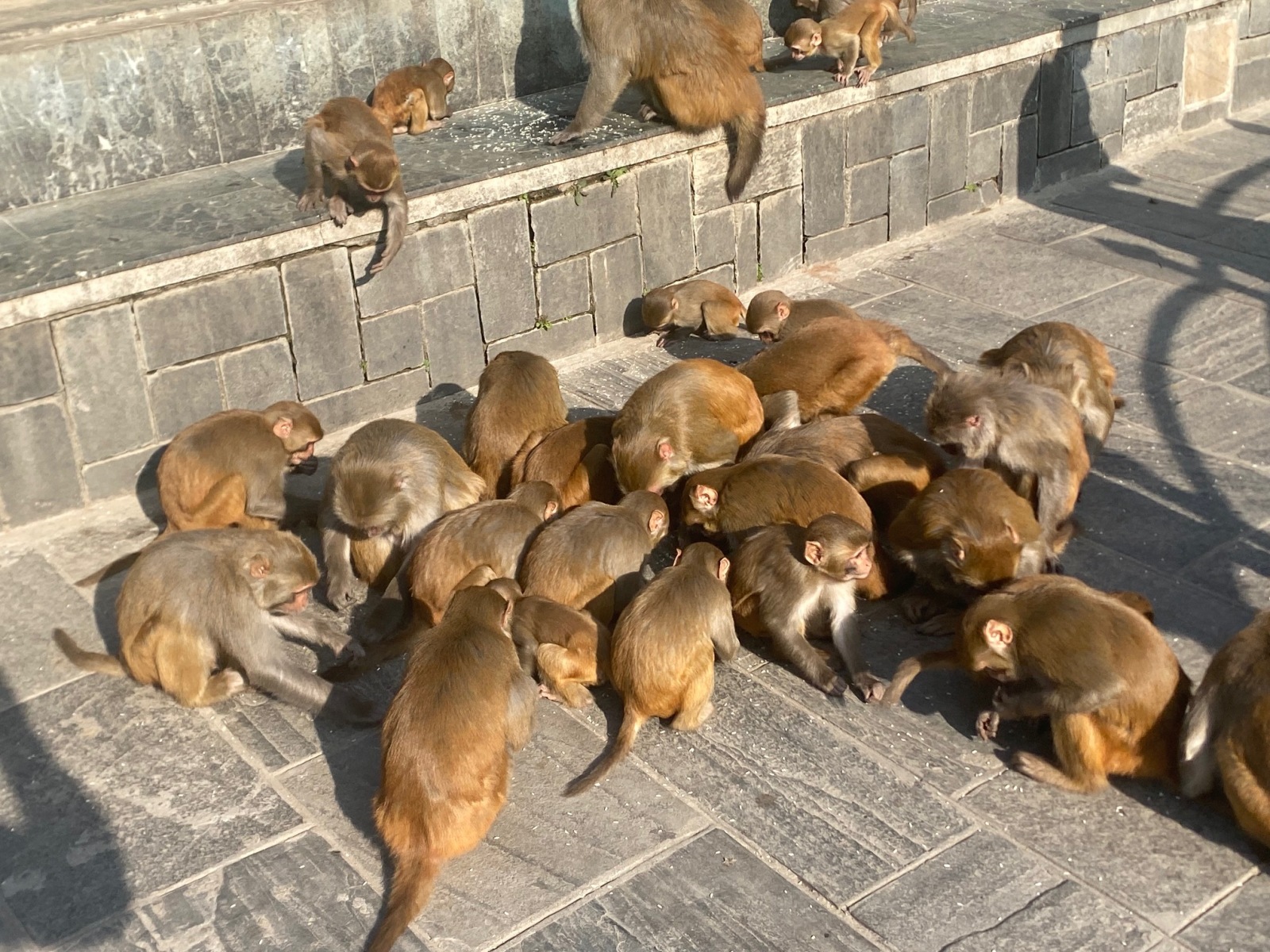
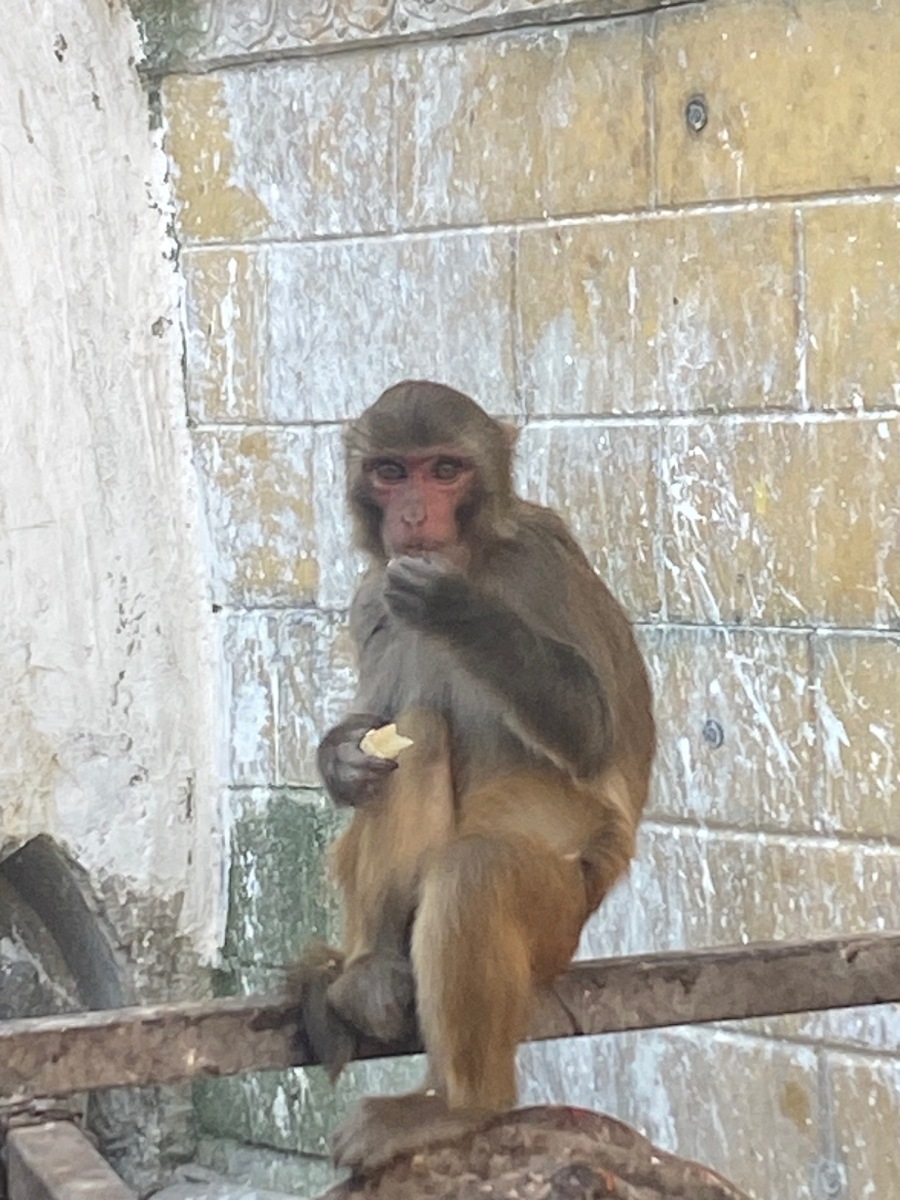
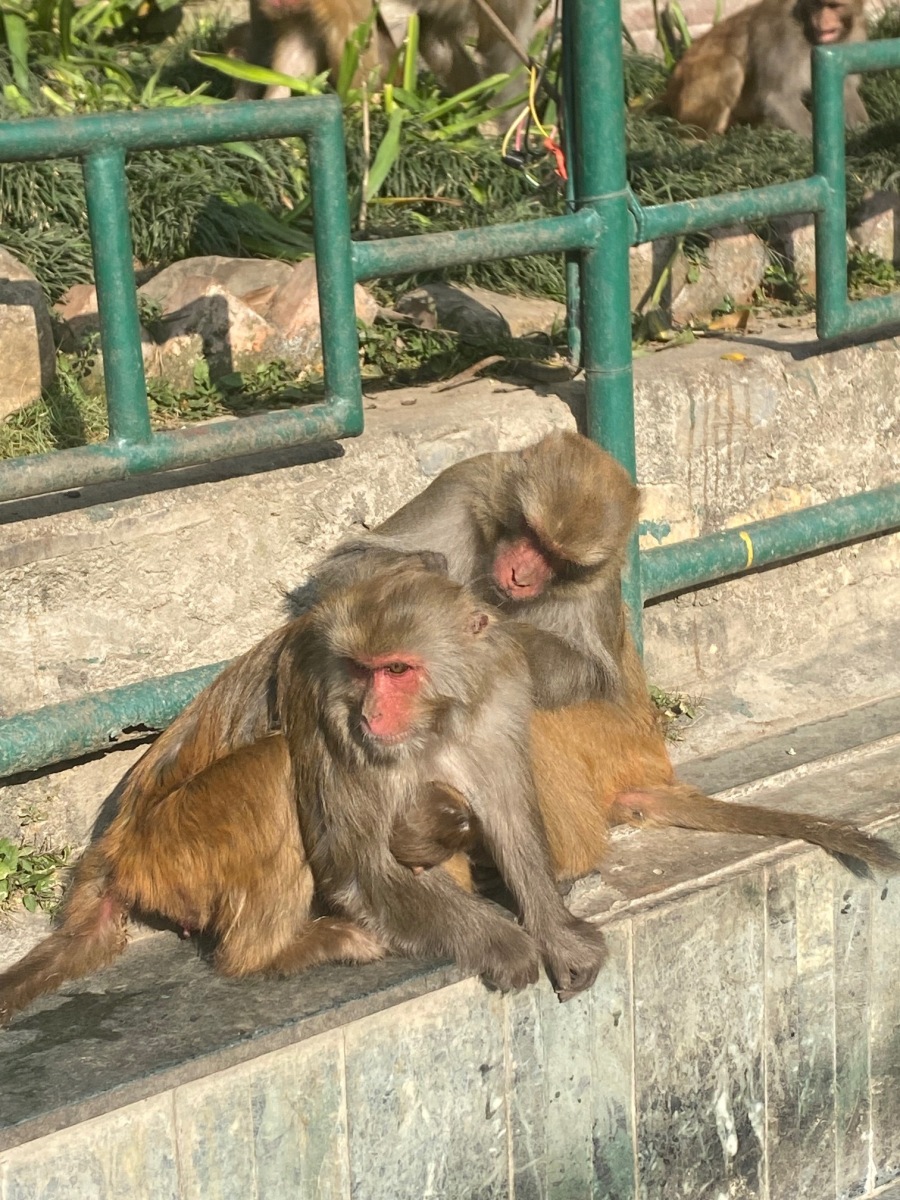
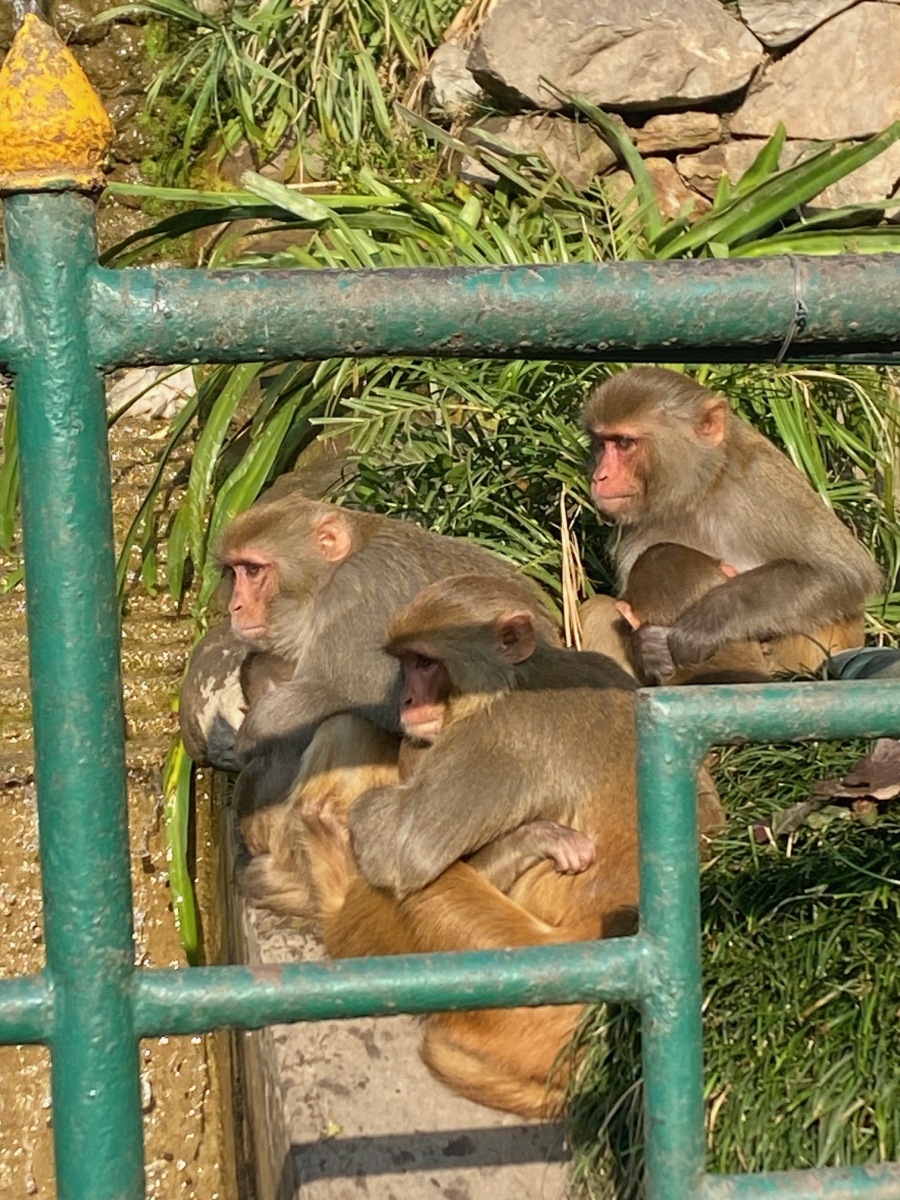
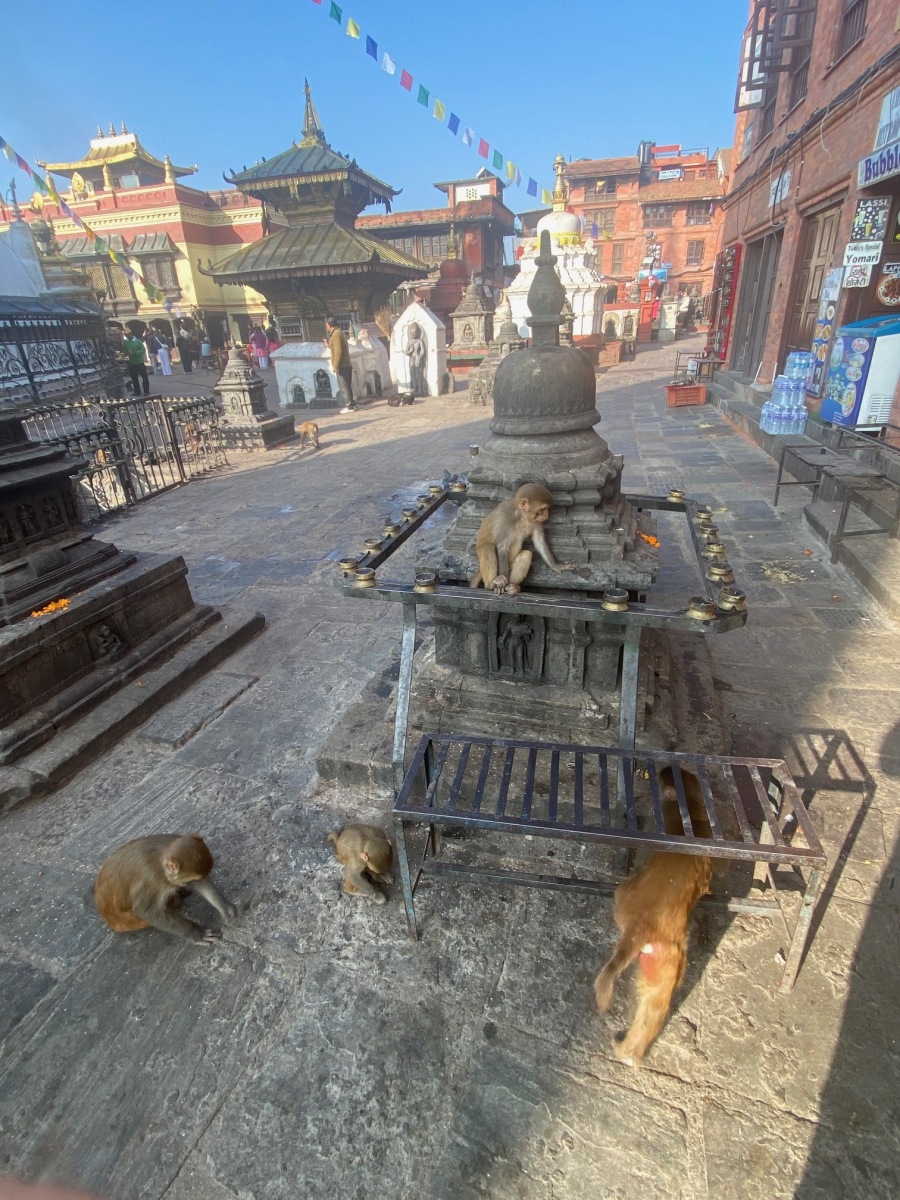
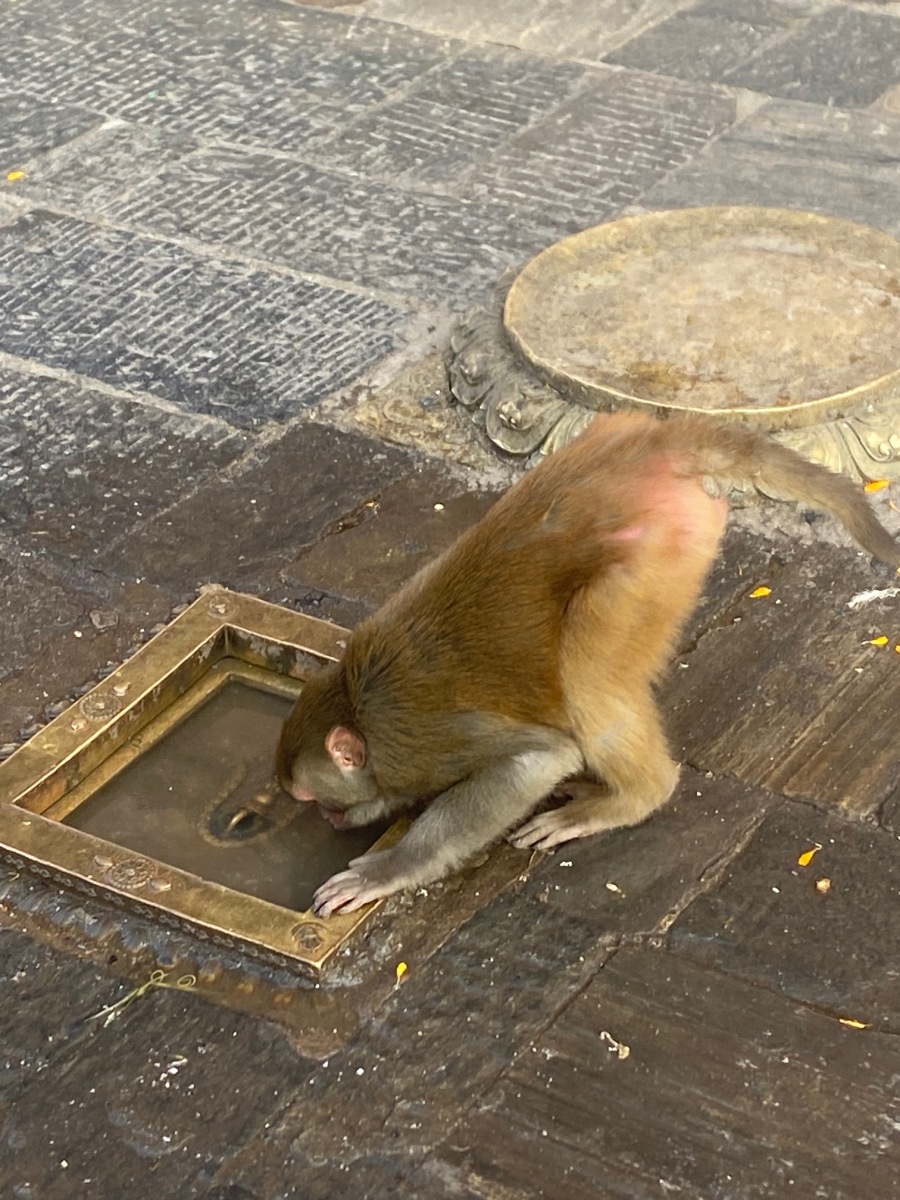
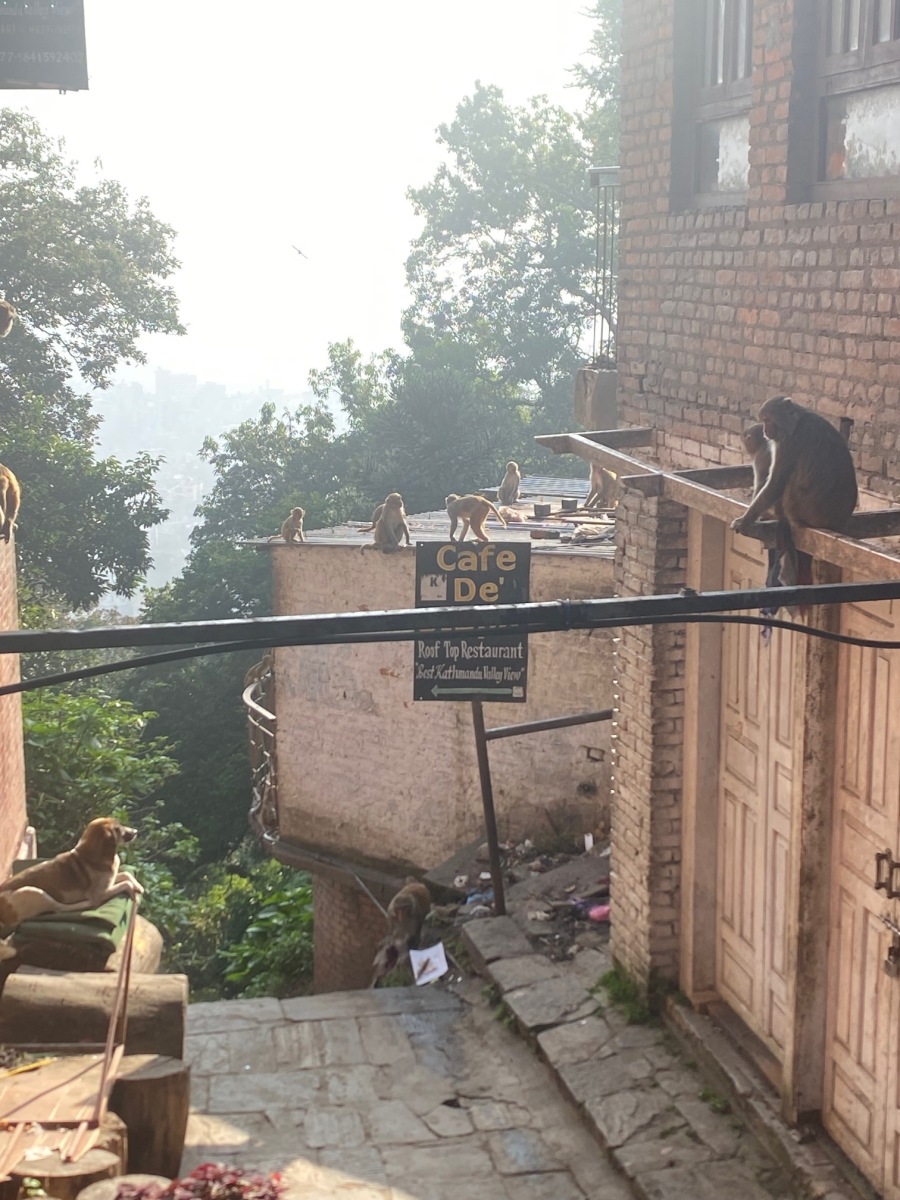
It was a wild monkey fest from start-to-finish with the stench of primate urine everywhere. Unless you fancy the 350-plus steps from the southern entrance, arrange for the driver to drop you at the west car park and the climb is halved.
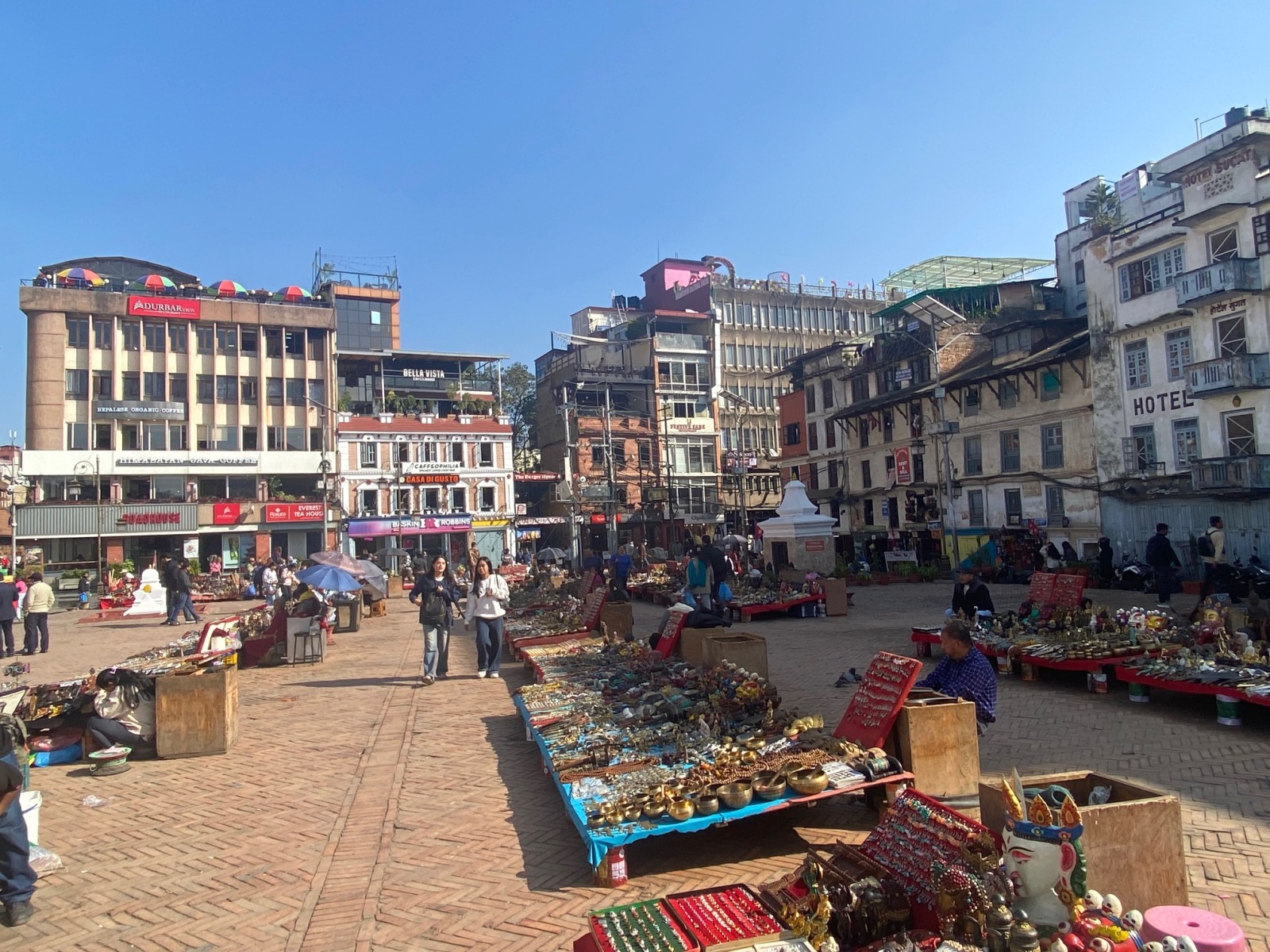
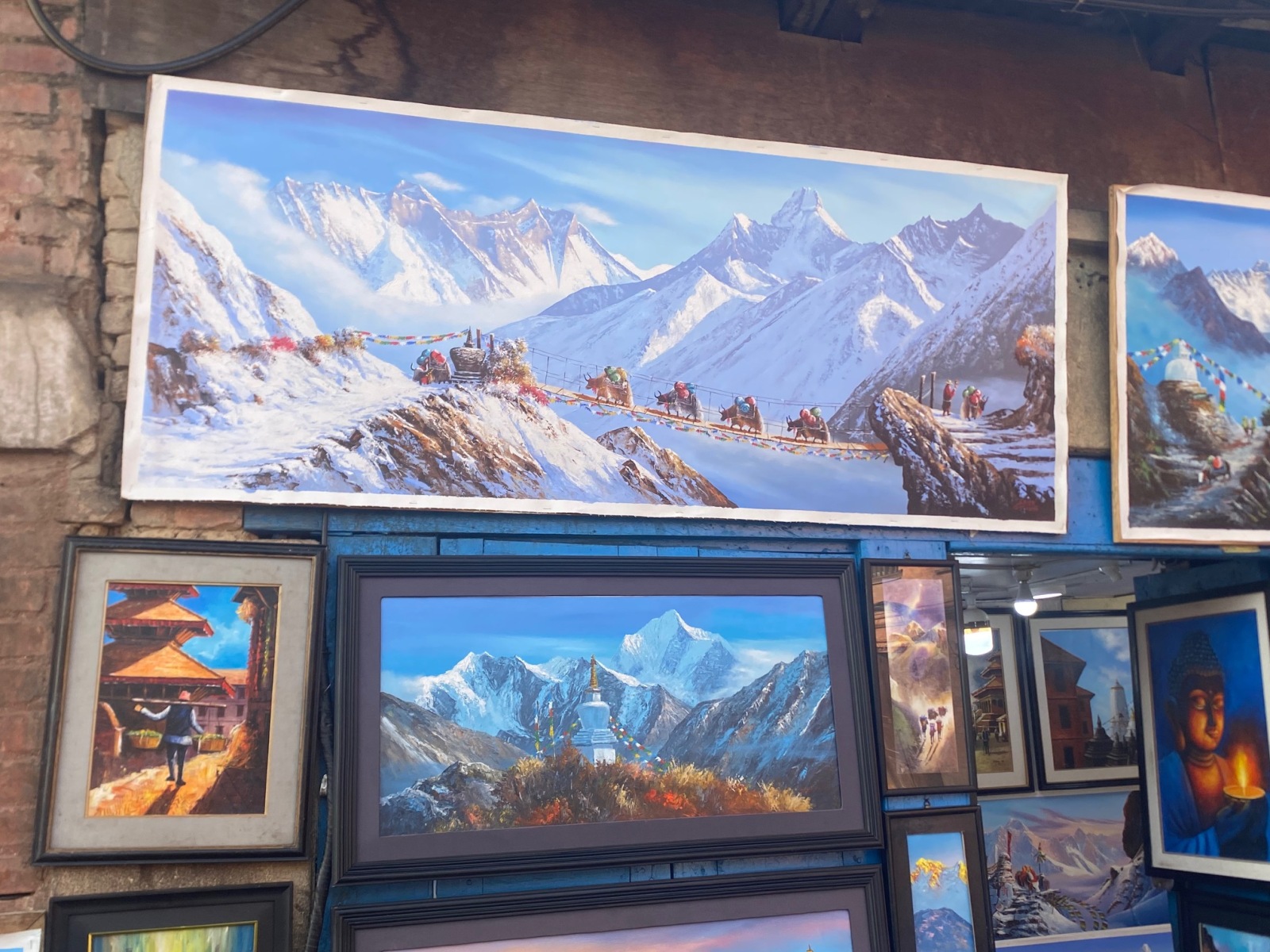
It’s a tourist bonanza with stalls setting up selling souvenirs, art, jewellery, metal work and memorabilia. Who said religion wasn’t profitable? The stupa was completely renovated in May 2010 and the shrine was re-gilded using 20kg of gold.
The renovation was funded by the Tibetan Nyingma Meditation Centre of California. The site was designated a UNESCO World Heritage Site in 1979 and suffered damage in the Nepal earthquake of April 2015.
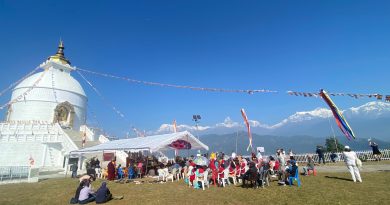
The next stop after a drive through the morning chaos was the famous Buddha Stupa at Boudhanath. One of the largest spherical mandala of its kind in the world, the crowds had already arrived. A lot of western tourists had come to find themselves and attend meditation and enlightening sessions.
I did the clockwise walk around the inner confines of the stupa and started chatting to a Buddhist monk who had been to Scotland. I asked him if he’d been to Eskdalemuir – he was stunned when I said I knew it – the Samye Ling Tibetan Buddhist monastery…
It brought back memories of Border Counties and Scottish rallies of yesteryear with Motoring News, Peugeot, Škoda and Sky Sports..
This was an even bigger tourist trap than the Monkey Temple for an entry fee of 400 NPR (£2). A giant circular array of shops, hotels, souvenir stalls and businesses surround the entire stupa around the cora. It’s tourist heaven if you have come to be ‘enlightened’ of a few thousand rupees. It too was designated a UNESCO World Heritage Site in 1979.
Like the U.K., the Nepalese drive on the left. Well, some of them do. Mopeds and bikes ride head on, across the stream of traffic and along the walk ways. It’s utter mayhem on the roads and byways at the best of times.
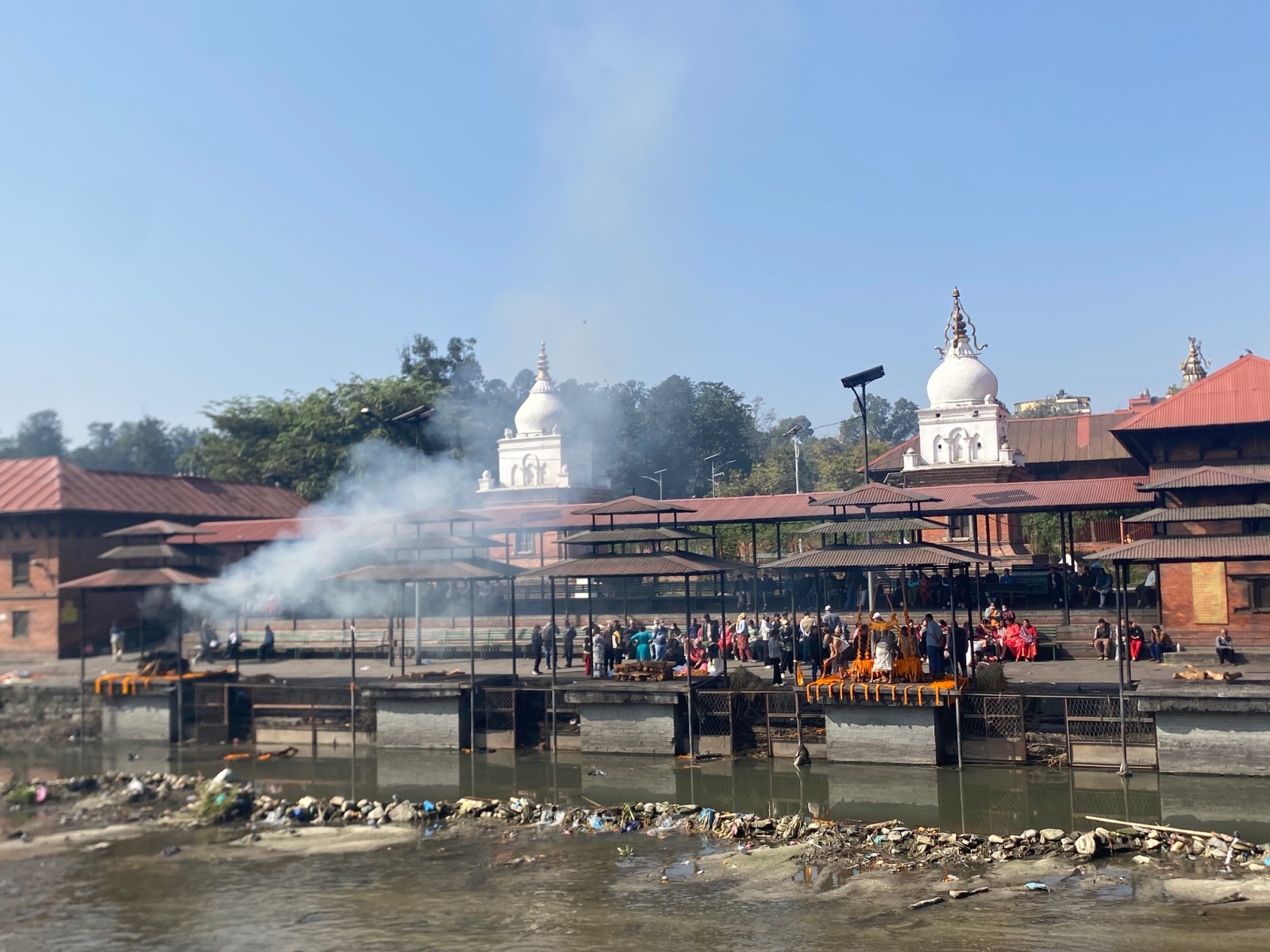
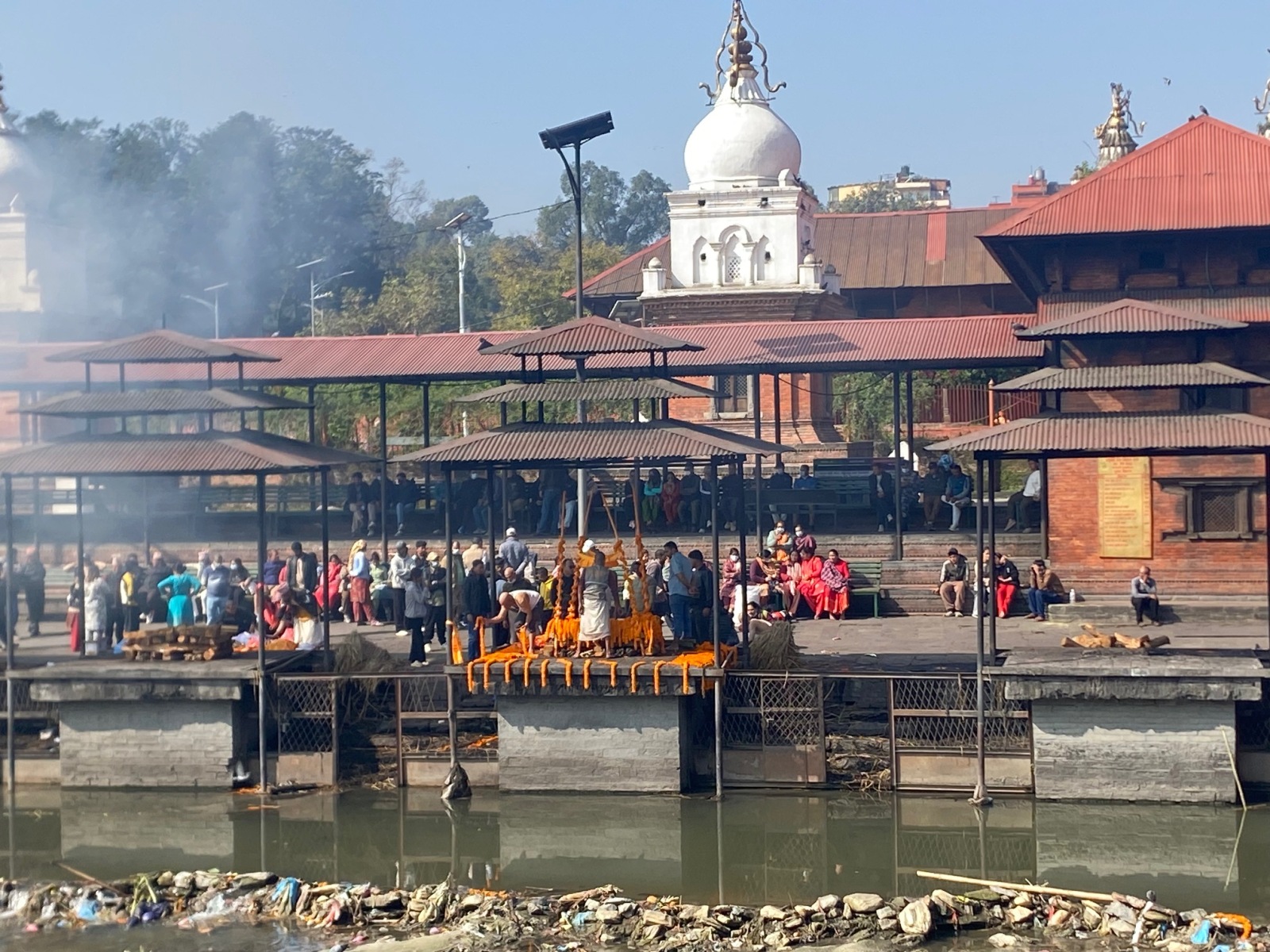
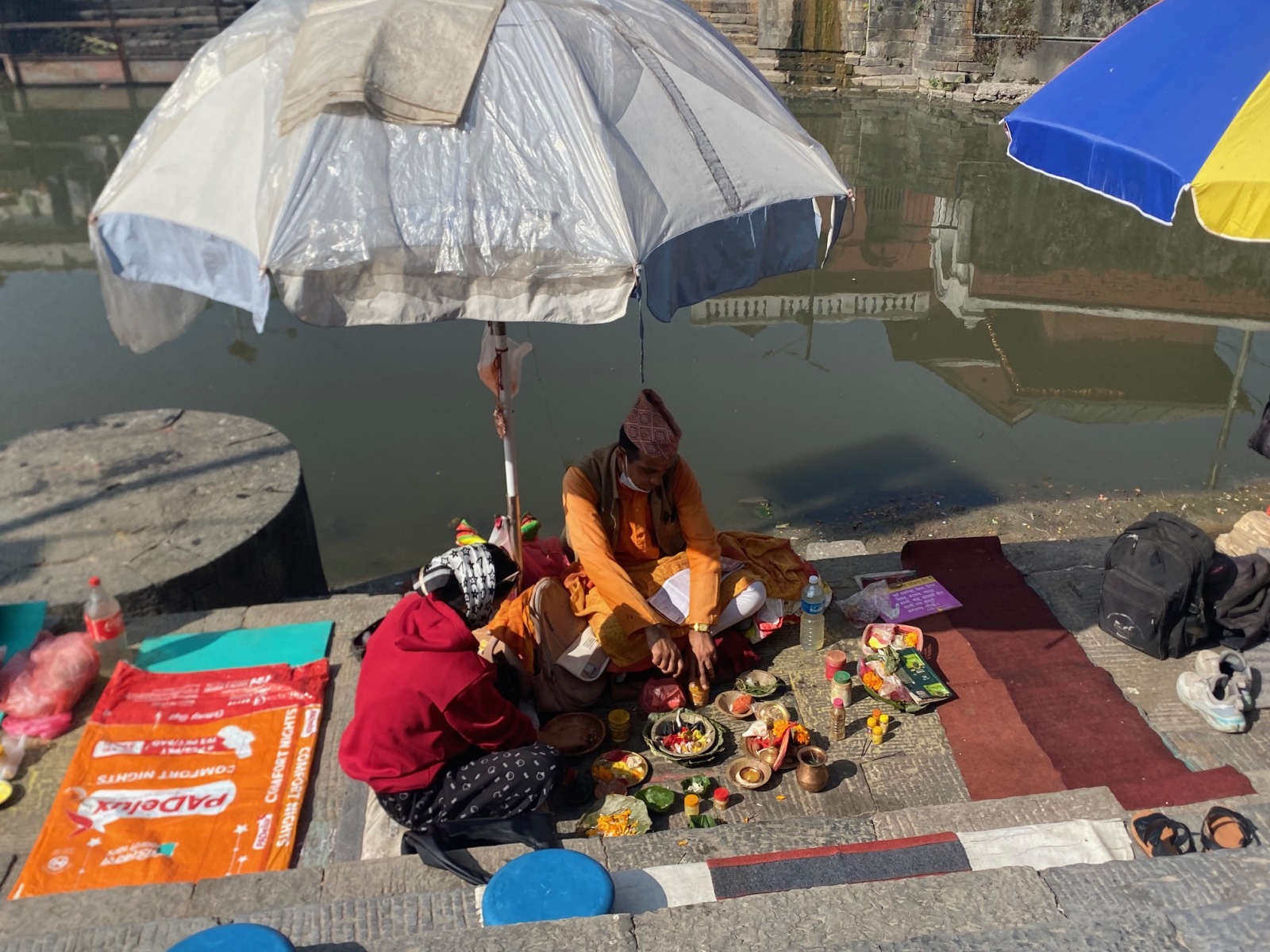
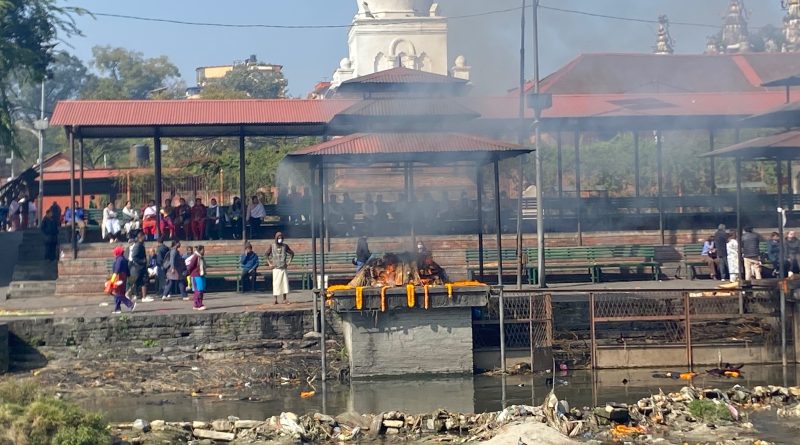
The third stop of the morning was at the very sobering Pasupatinath Temple, the sacred Hindu cremation site on the banks of the Bagmati River. This has also been a UNESCO World Heritage site since 1979 and the vast site includes 518 mini-temples and the principal pagoda-style temple.
Tourists pay 1000 (£5) NPR to access from the opposite side of the river to where open human cremations are held throughout the day.
I watched a cremation from start-to-finish, not through morbid fascination but just to see first hand what actually takes place as a soul leaves this realm for the final time in the Hindu religion.
The corpse arrives in a white body bag and is loaded on to a pre-prepared pyre of chopped logs and grass draped in marigold garlands. Family attend a brief service and then the pyre is readied with use of accelerant and a lighter torch. A final ritual takes place with surviving souls from the family and then the pyre is set alight.
At one point, four were ablaze at one time across the river with smoke and the smell of wood, grass and human remains blowing across to the other side. It was a sobering experience as I fended off street hawkers selling jewellery and necklaces on the car back to the waiting taxi.
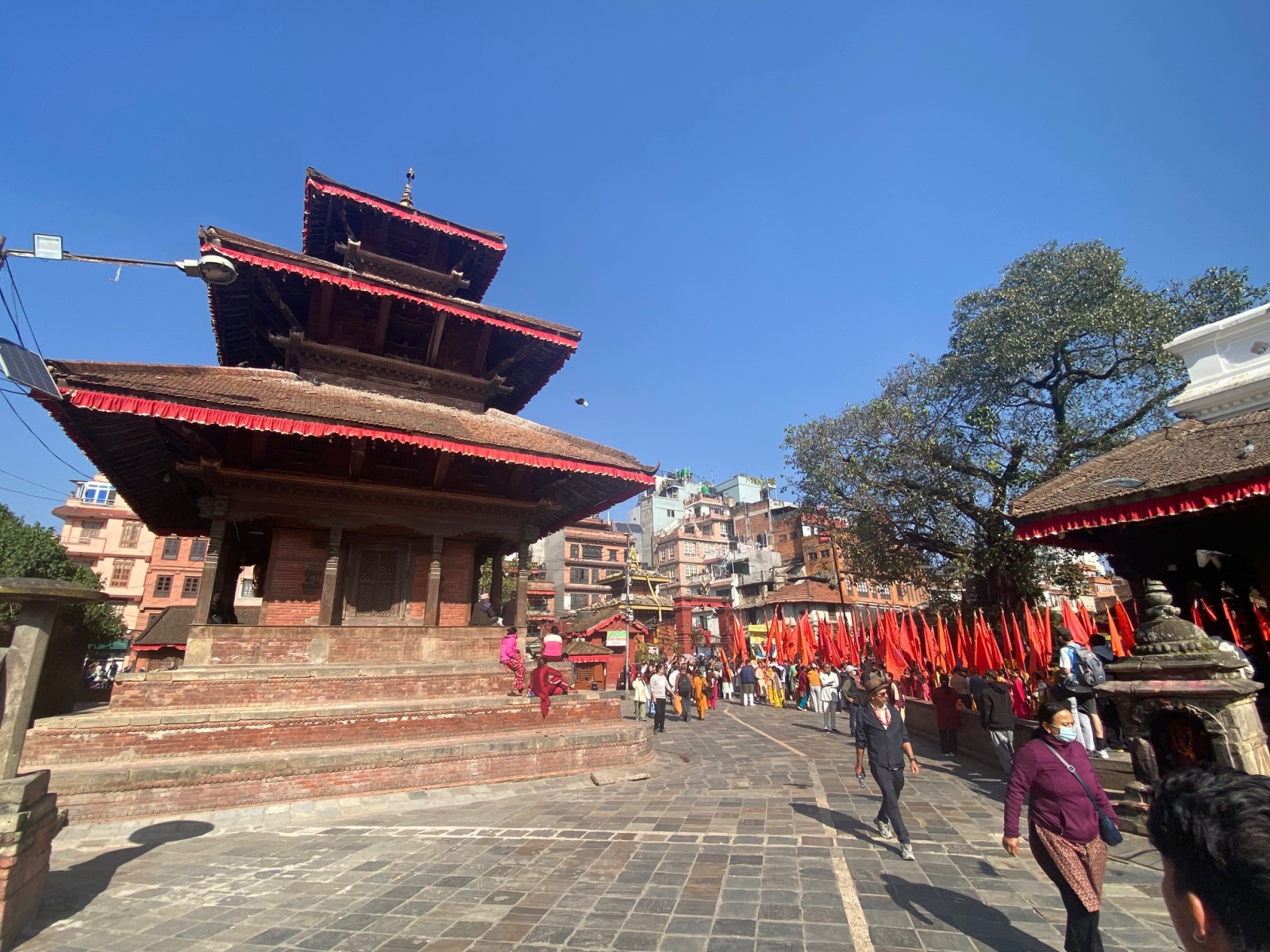
A quick coffee at Cafe Mitra and then I wandered through chaotic Thamel to the even busier Durbar Square, the fourth UNESCO site of the day and by far the busiest. Entry for tourists is 1000 (£5) NPR at nearby booths – ching, ching.
A huge Hindu festival and musical procession was underway to add to the traffic and human carnage. Tomorrow is the Hindu Haribodhini Ekadashi gathering to mark the awakening of Lord Vishnu and the end of Chaturmas in the Hindu calendar.
Construction of the giant square began in the 3rd Century: the venue now contains numerous buildings, most notably the royal Hanuman Dhoka Palace Complex and the three-story temple called Kumari Chowk. The square suffered extensive damage in the 2015 earthquake.
Great views are to be had of the entire complex from the steep stair cases on two of the pigeon-shrouded temples in the square.